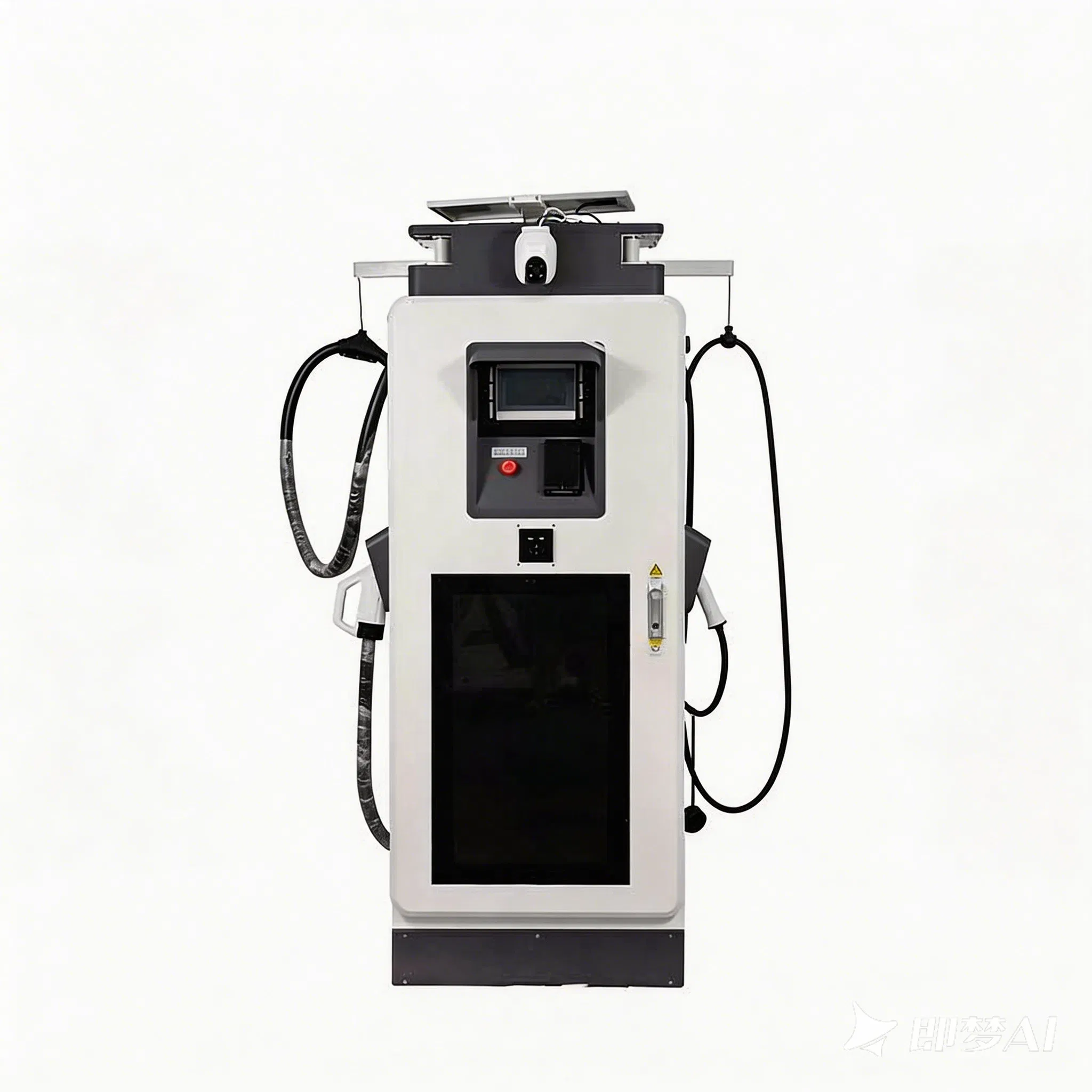
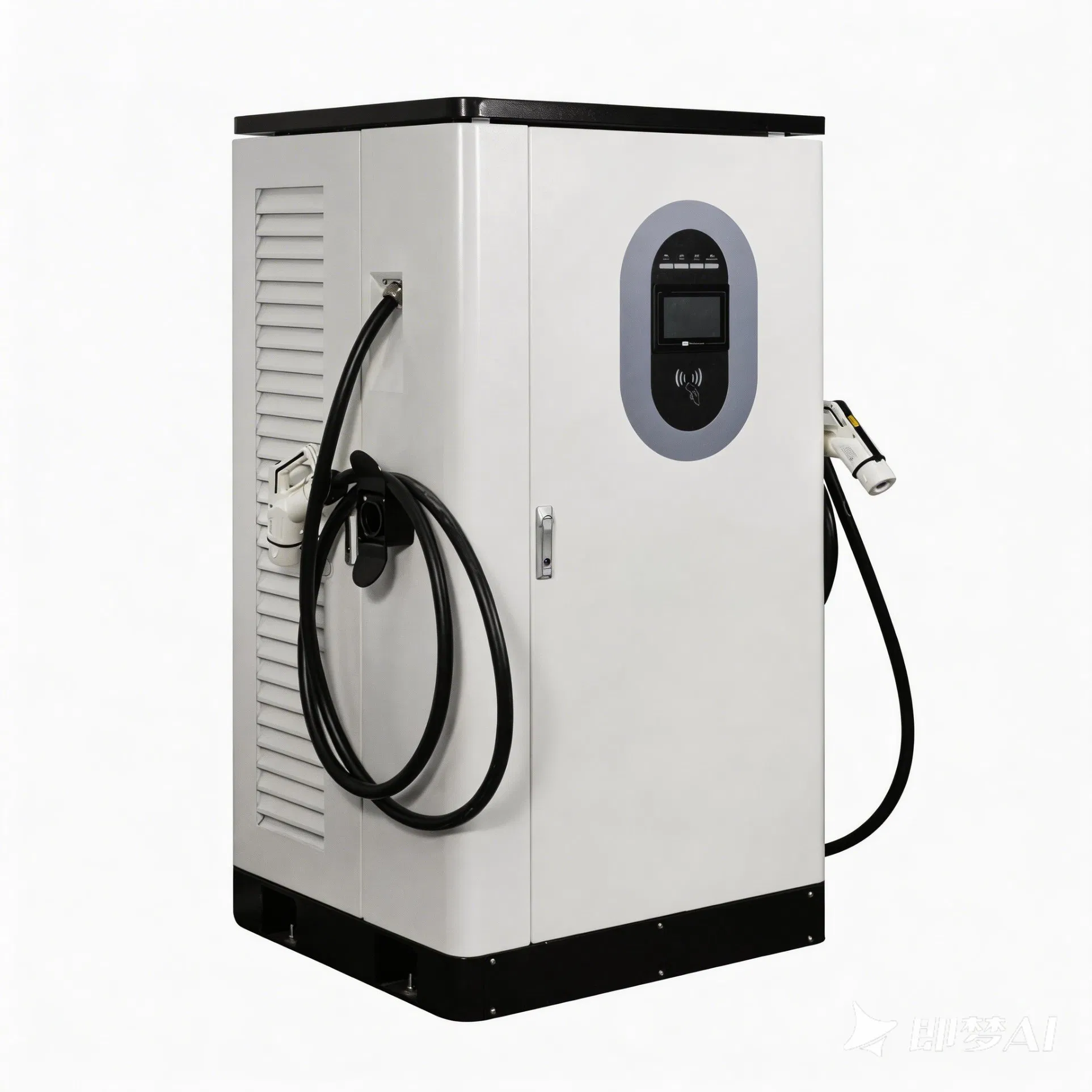
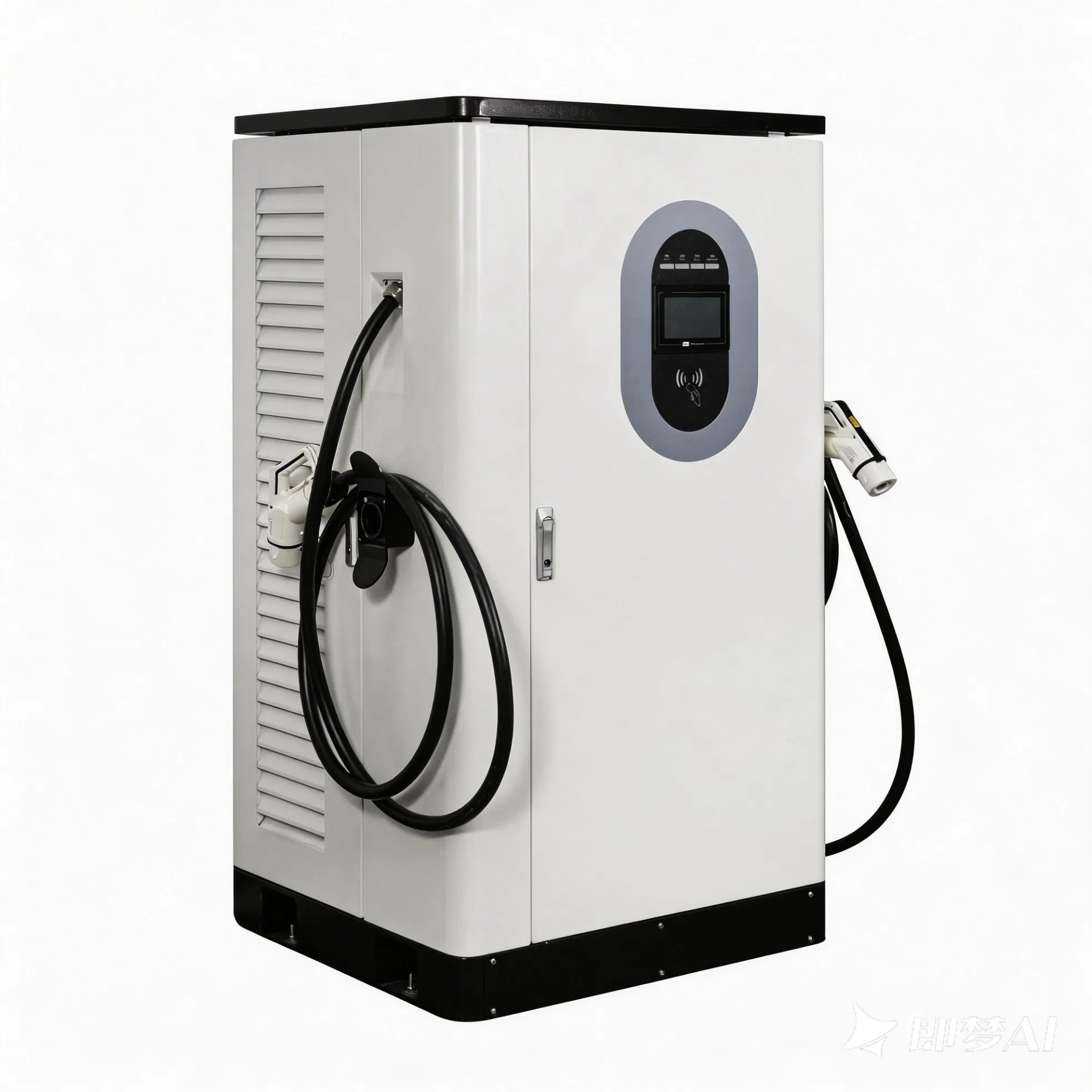
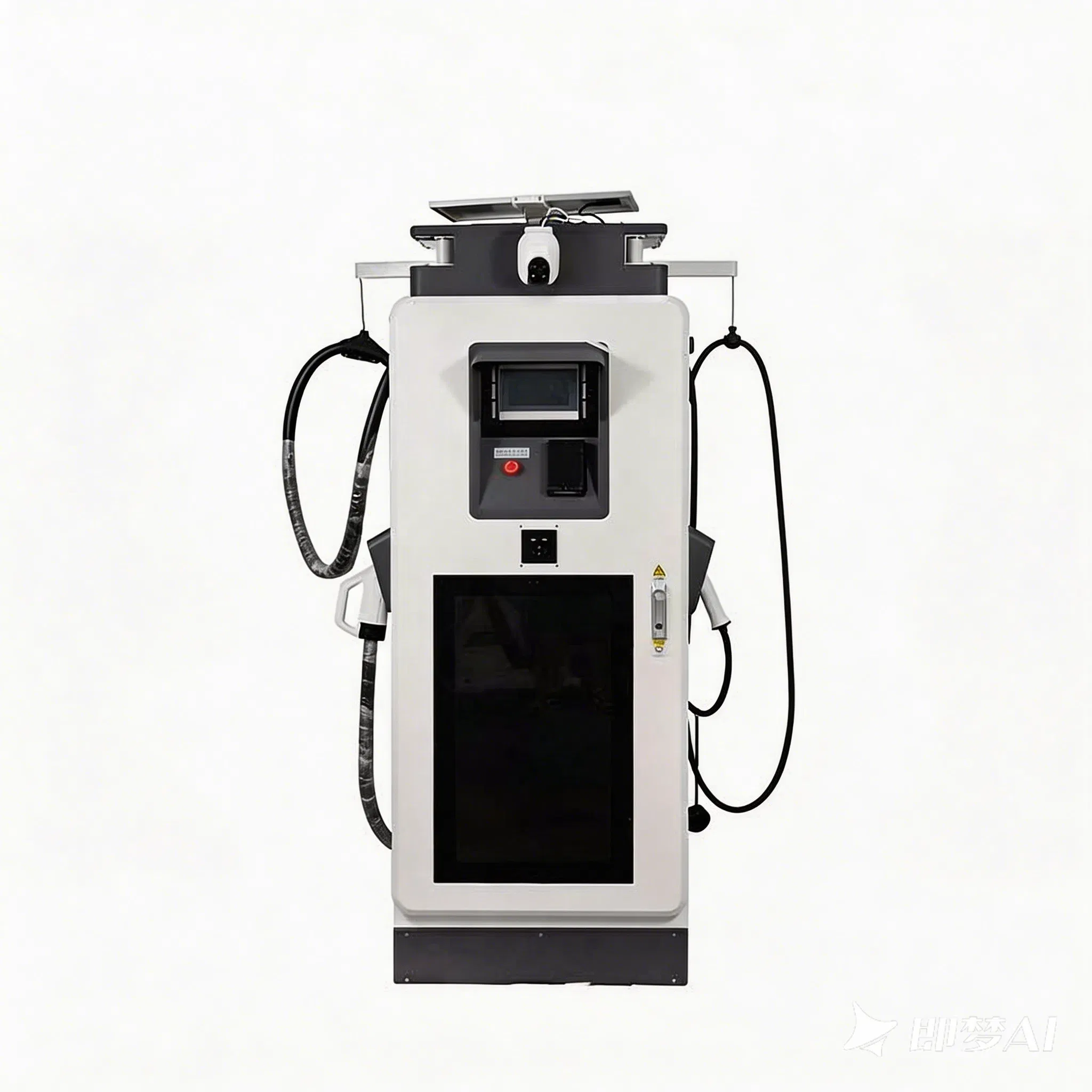
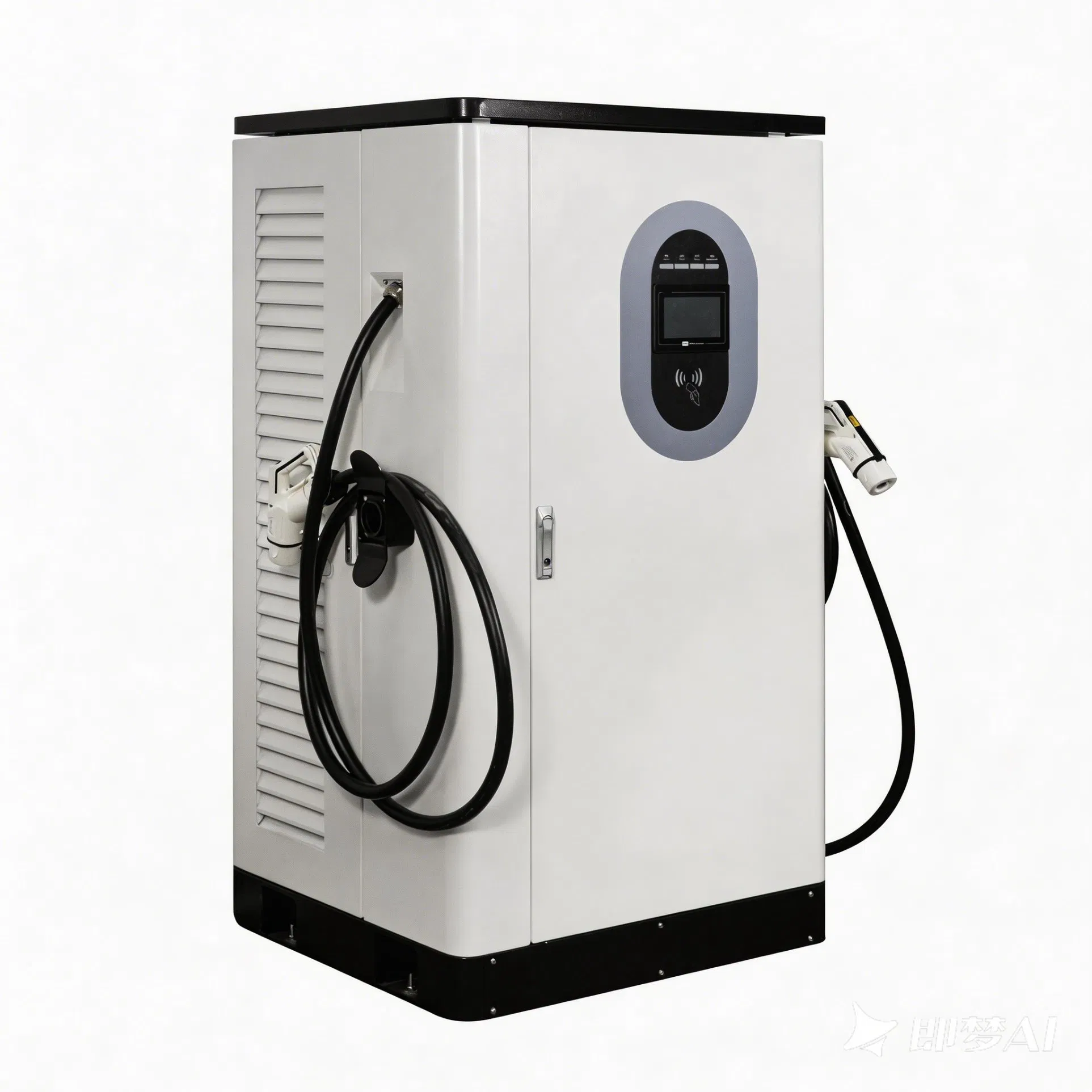
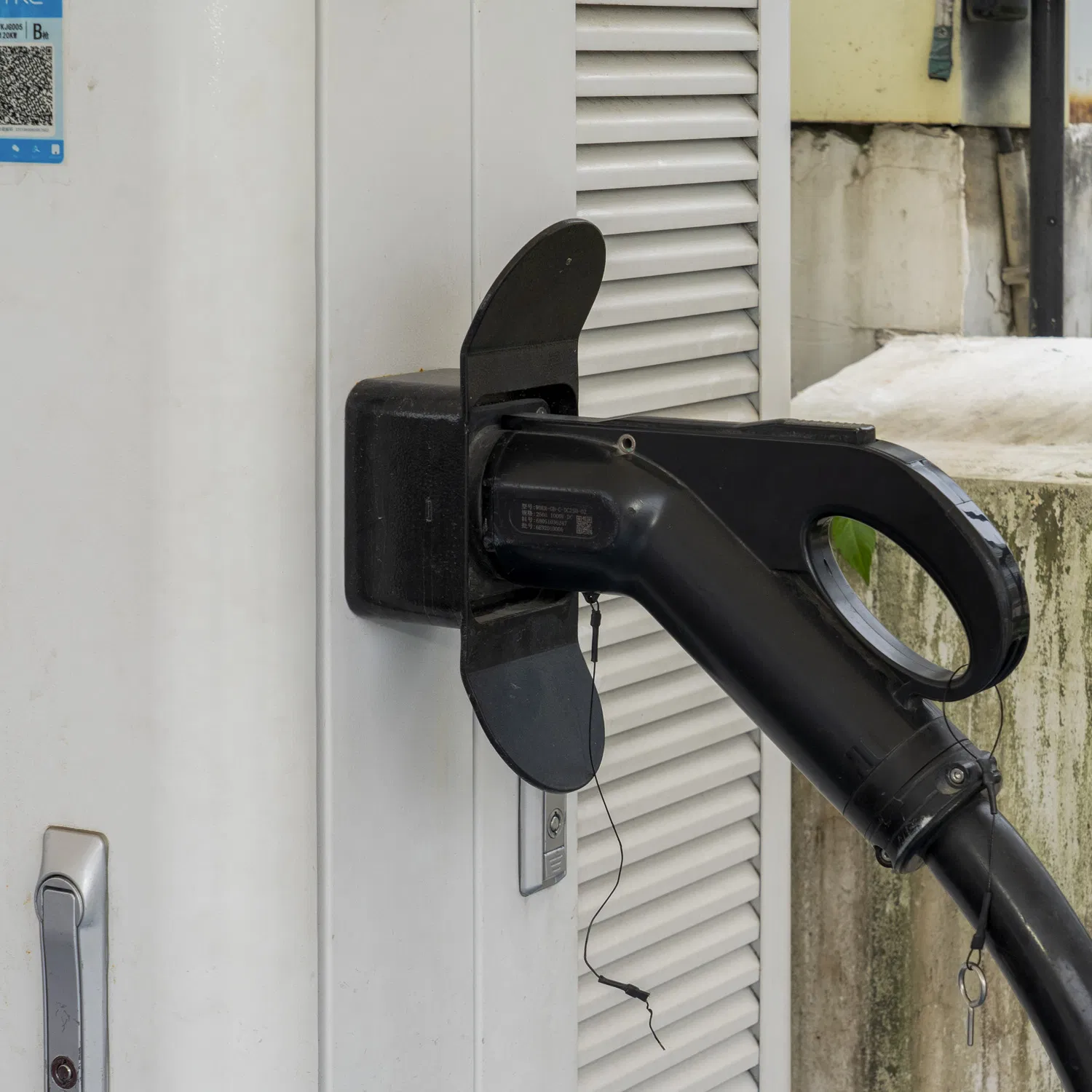
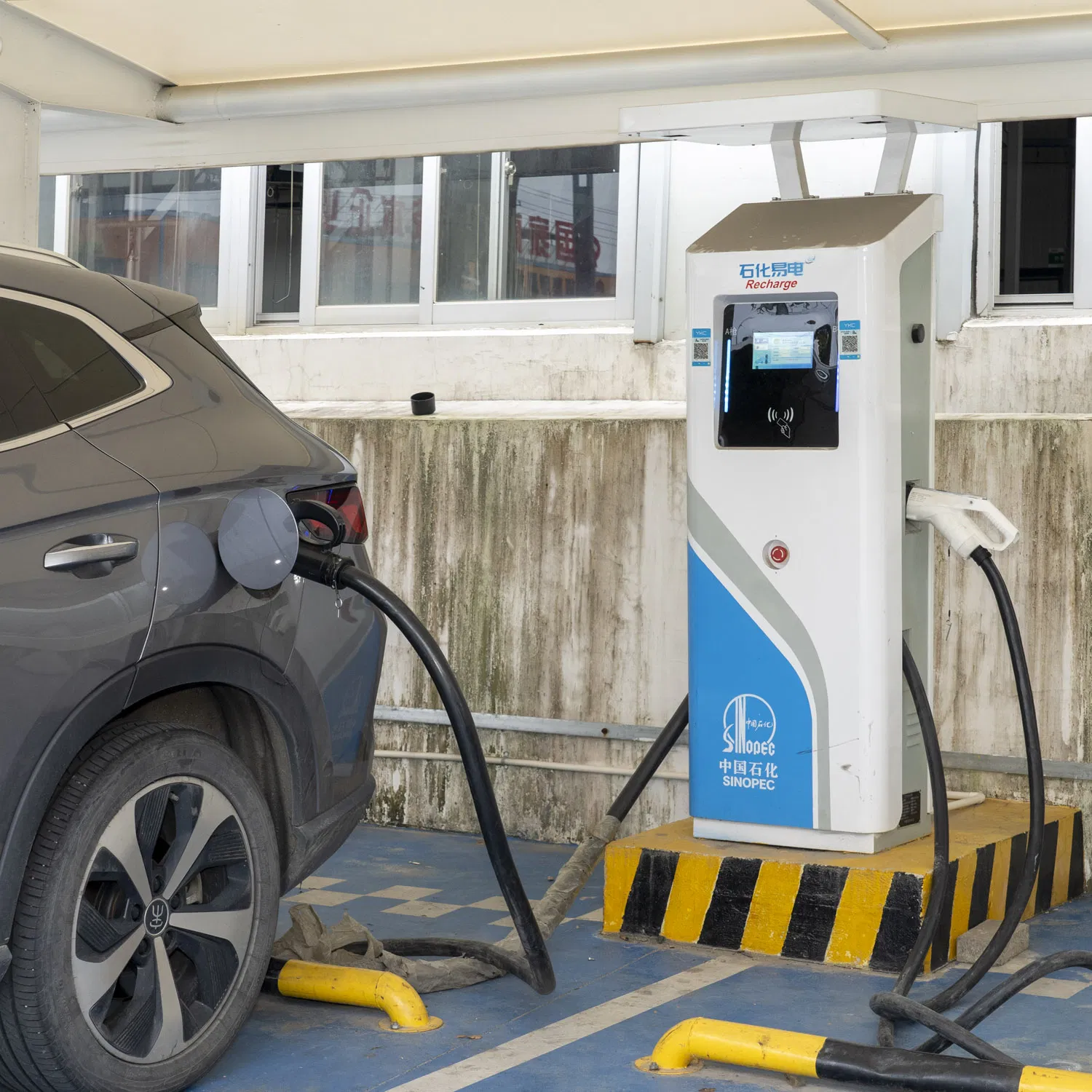
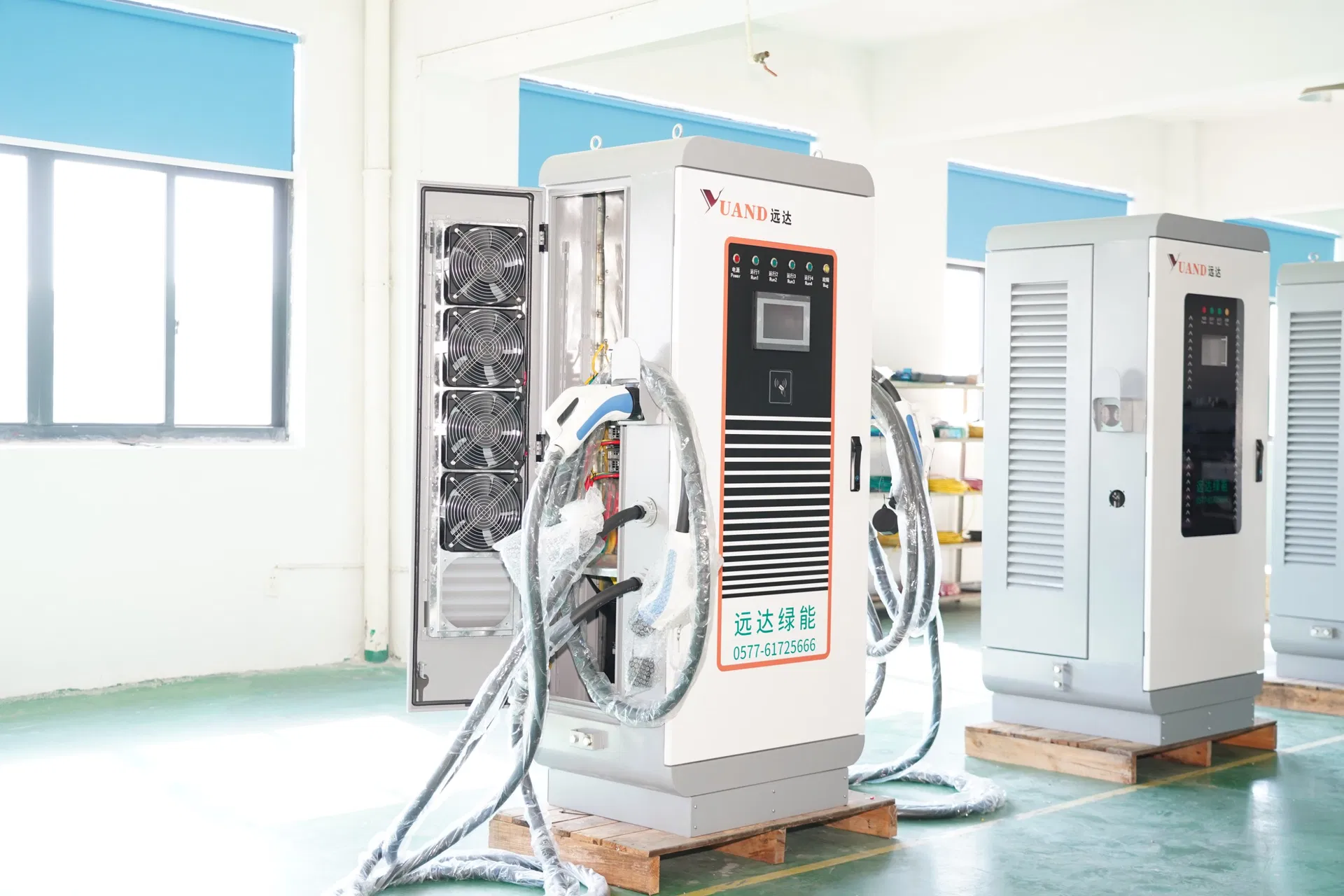
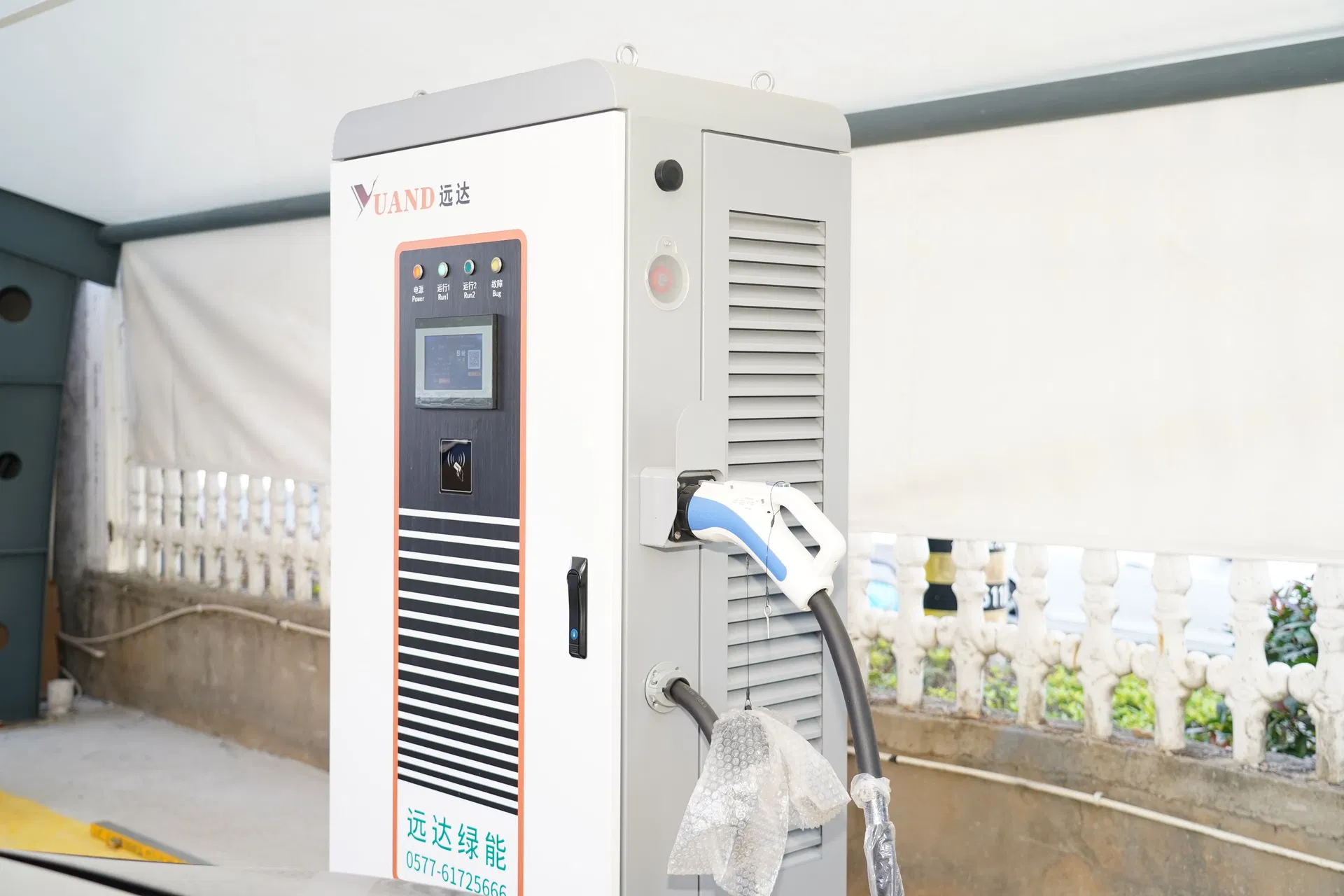
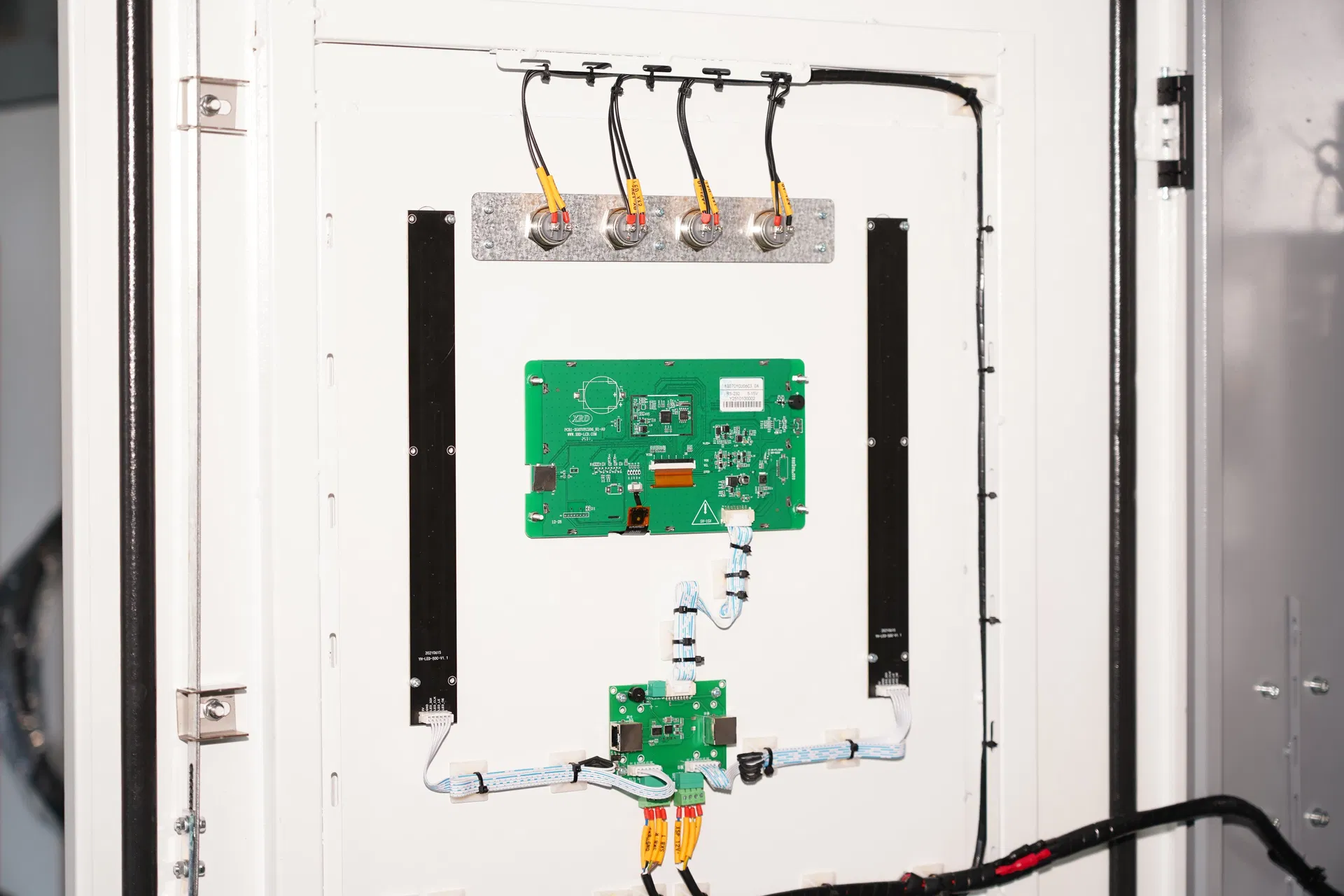
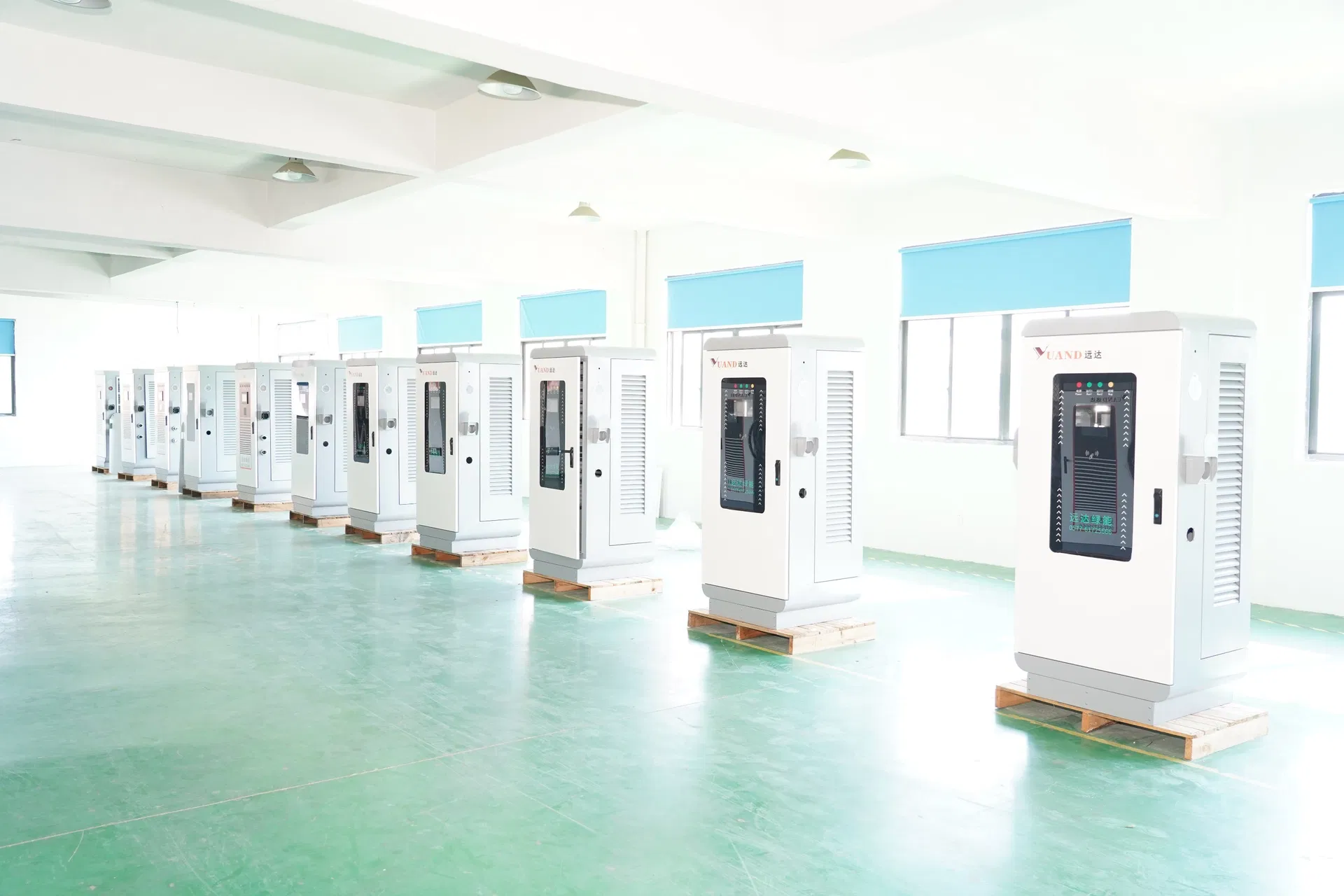
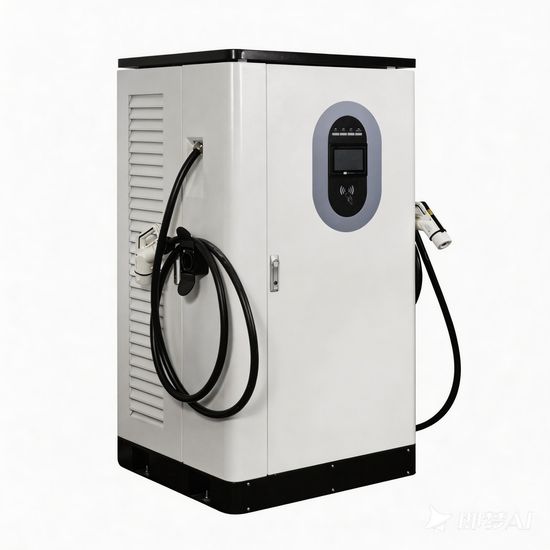
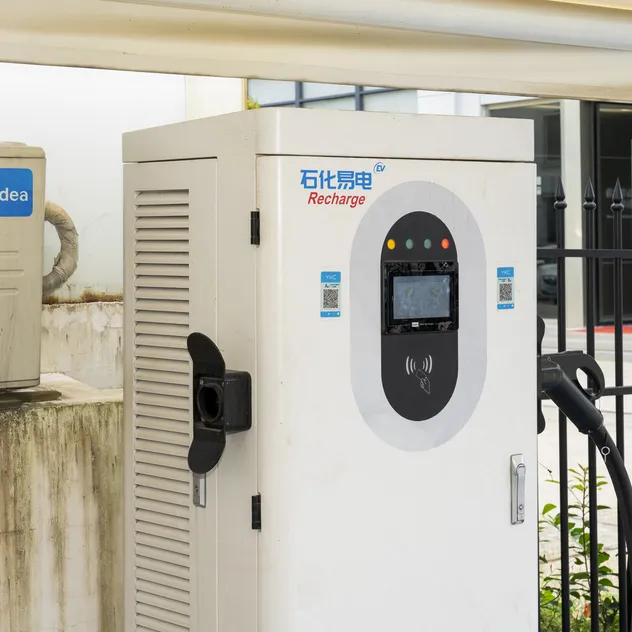
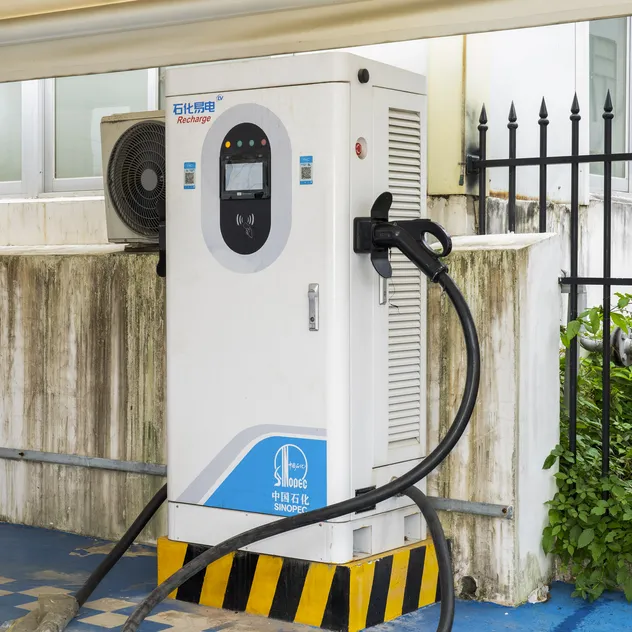
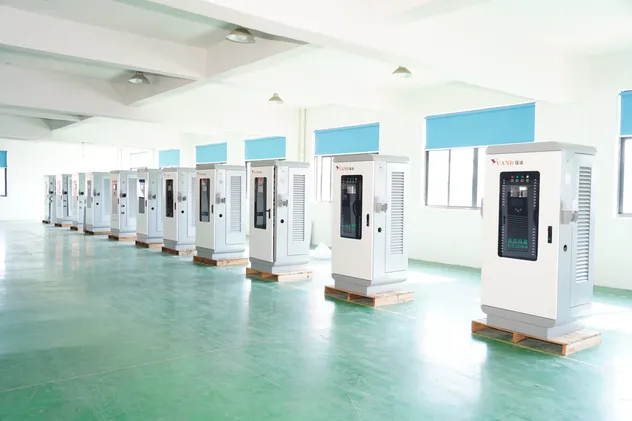
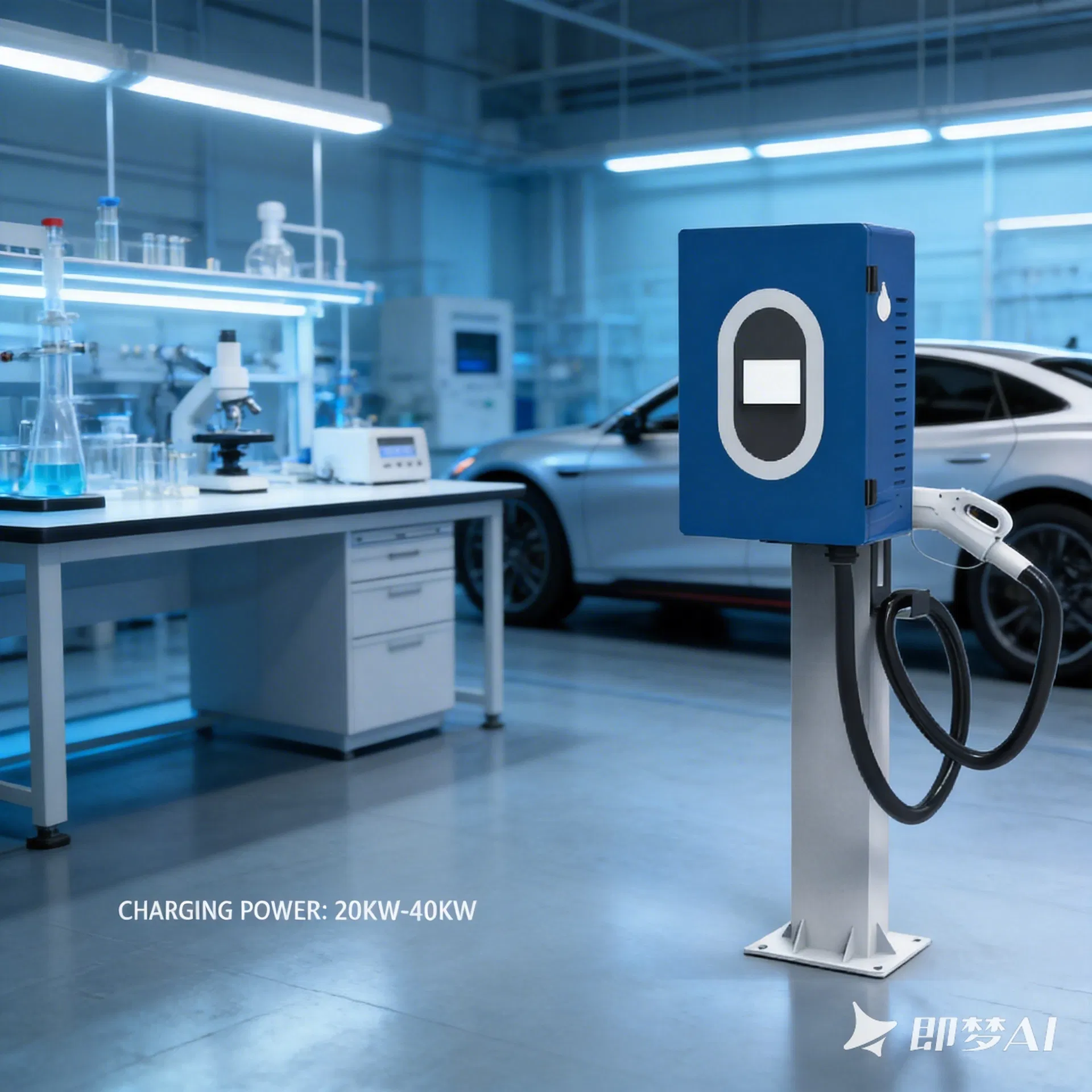
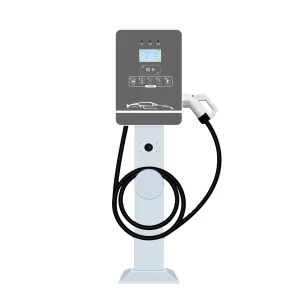
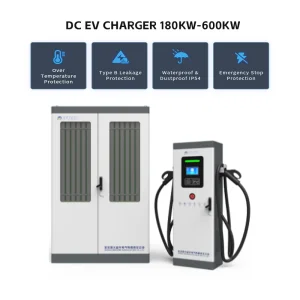
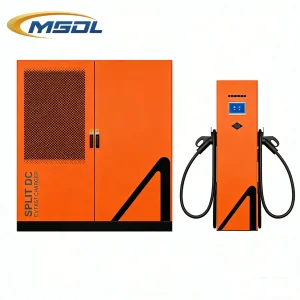
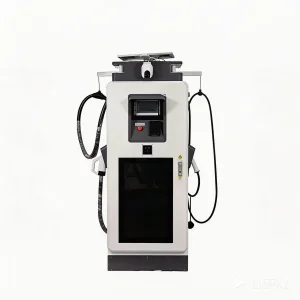
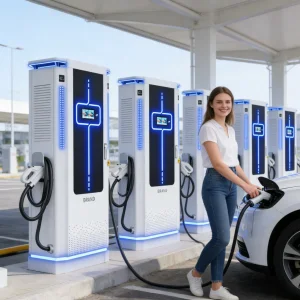
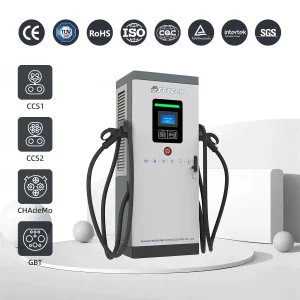
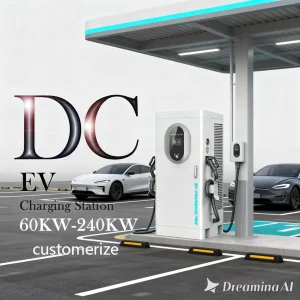
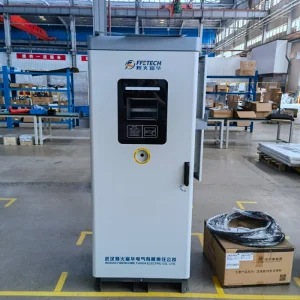
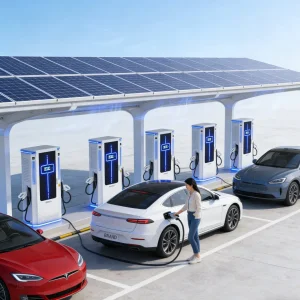
The company focuses on the R&D and sales of civil charging equipment, with rich experience in the implementation of community charging projects. The production base has passed the ISO9001 Quality Management System Certification, with an annual capacity of 100,000 units. It focuses on promoting cost-effective civil charging piles. The overseas market covers emerging markets such as Southeast Asia and Africa, cooperating with local real estate developers and property companies.
?
Frequently Asked Questions
Q1: What is an electric vehicle (EV) charging pile and how does it work?
An electric vehicle charging pile is a dedicated electrical device that supplies electrical energy to recharge the batteries of electric vehicles. It works by connecting to the grid power supply, regulating the input voltage and current according to the EV's battery management system (BMS) requirements.
Q2: What is the difference between AC charging piles and DC fast charging piles?
AC charging piles deliver alternating current with lower power (3.6kW–22kW) for home/office use. DC fast charging piles deliver direct current with higher power (50kW–480kW) and integrate a rectifier to bypass the on-board charger for rapid replenishment.
Q3: How do I choose the right power rating for an EV charging pile?
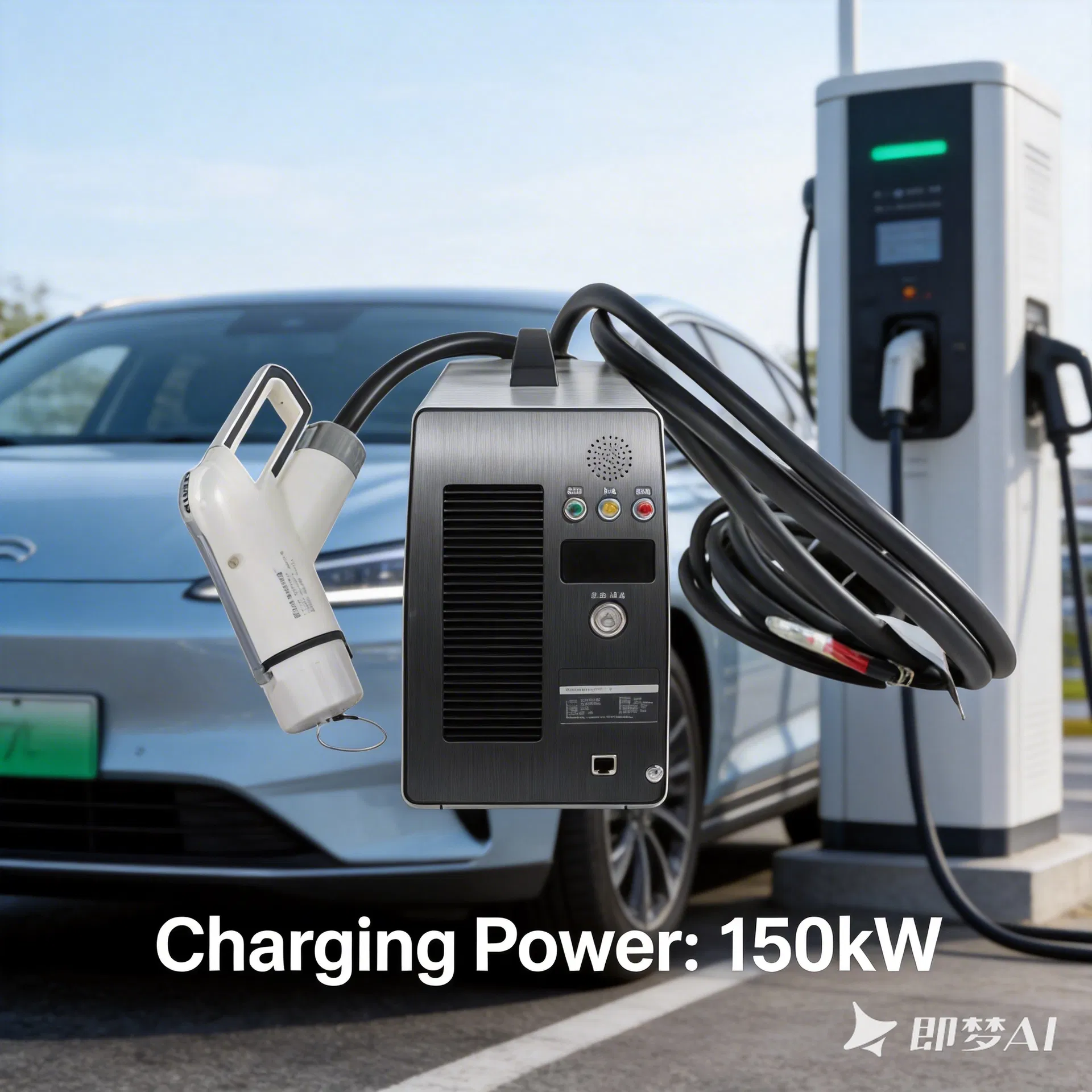
Check the maximum charging power supported by your EV. For home use, a 7kW–11kW AC pile is sufficient. For public fast charging, calculate based on target time; e.g., a 60kWh battery needs a 120kW DC pile to charge from 20% to 80% in 30 minutes.
Q4: What is the warranty period for this equipment?
The equipment comes with a standard warranty of Three Years, ensuring long-term reliability for home, industrial, and commercial applications.
Q5: What certifications does the production facility hold?
The production base has successfully passed the ISO9001 Quality Management System Certification, maintaining an annual production capacity of 100,000 units.
Q6: What is the typical efficiency and transfer time for these units?
The inverter efficiency is rated at 93%. The transfer time is 10ms for personal computers and 20ms for general home appliances.
 Greenvora Charger