How to Troubleshoot Common Issues with DC EV Chargers?

Time:2026-03-30 Author:Mason
0%

In today's electric vehicle (EV) landscape, DC chargers are vital. However, these systems can face malfunctions. Understanding how to troubleshoot a DC EV charger malfunction is key for site operators. As John Miller, a leading expert in EV infrastructure, once stated, "Identifying issues early can save time and reduce costs."

When a charger fails, it can be a significant inconvenience for users. Common issues include faulty connections or software glitches. Operators must be prepared to address these challenges swiftly. In the fast-paced world of EV charging, having a reliable troubleshooting process is essential.

By examining the functions and components of DC chargers, users can pinpoint problems. This empowers them to tackle malfunctions effectively. Yet, the process isn’t always straightforward. Many operators might overlook simple solutions, leading to unnecessary downtime. Troubleshooting requires a blend of expertise and careful observation.
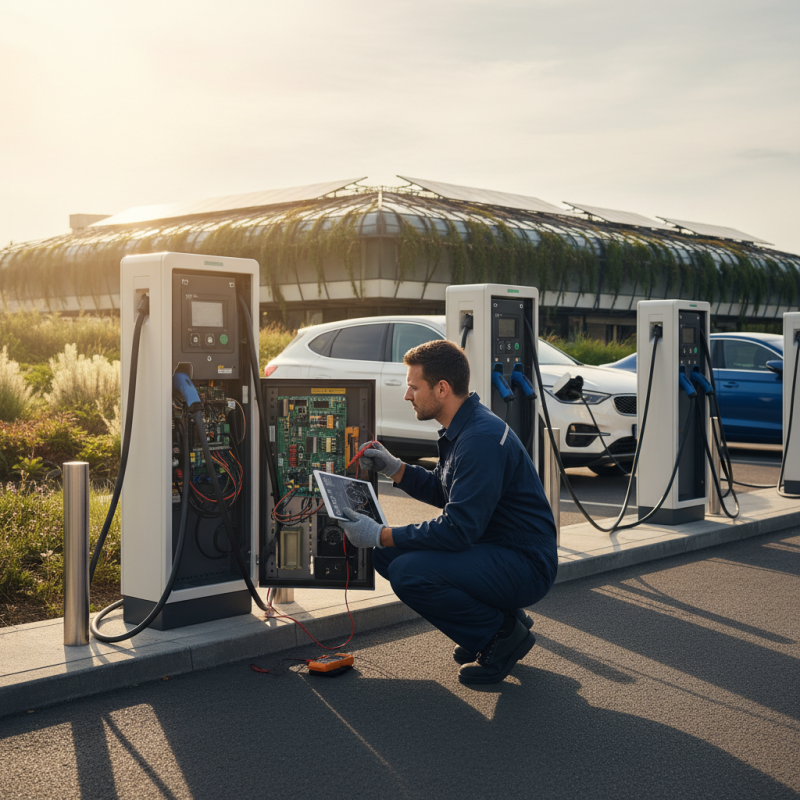
How to Troubleshoot Common Issues with DC EV Chargers?

Understanding Common Issues with DC EV Chargers

Understanding Common Issues with DC EV Chargers

DC EV chargers have become crucial as electric vehicles (EVs) gain popularity. However, users often face issues while charging. One common problem is a delayed charging response. Sometimes, the charger does not initiate charging immediately. This can be frustrating, especially for drivers in a hurry. Users should check the connection between the vehicle and charger to ensure it's secure.

Another frequent issue is low power output during charging. Users may notice that the charging speed is slower than expected. This may be due to the charger being overloaded or experiencing technical glitches. It’s important to check if other users are charging simultaneously. Overloading can result in insufficient power for each vehicle.

Connectivity problems are also a concern. Sometimes, chargers struggle to communicate with the vehicle. This can lead to charging interruptions. Faulty cables or damaged connectors are often the culprits. Regular inspections and maintenance can help prevent these complications. Understanding these issues can empower users to troubleshoot effectively and enhance their charging experience.

Identifying Symptoms of DC EV Charger Malfunctions

When it comes to DC EV chargers, recognizing the symptoms of malfunctions is crucial for effective troubleshooting. Common signs of issues include erratic charging behavior, overheating, or even complete failure to start. If your charger displays error codes or unusual noises, it's essential to pay attention. A sudden decline in charging speed may also indicate a deeper problem.

Tip: Regularly check the connection between your EV and the charger. Loose or corroded connections can significantly affect performance. If you notice any wear on cables, consider replacing them.

Another issue to consider is the charging station's location. Environmental factors, such as extreme temperatures, can impact charger efficiency. Overheating might happen in direct sunlight. In contrast, very low temperatures can result in slow charging rates.

Tip: Ensure your charging area is shaded or protected from harsh weather. Regular maintenance, such as cleaning connectors, can also help prevent issues. Check for software updates on smart chargers, as outdated firmware can lead to problems.

Remember, timely identification of symptoms leads to quicker resolutions. Always consult a professional if symptoms persist.

Common Issues with DC EV Chargers

This bar chart illustrates the frequency of common issues experienced by DC EV chargers, highlighting areas that may require troubleshooting or maintenance attention.

Basic Troubleshooting Steps for DC EV Chargers

Troubleshooting DC EV chargers requires a systematic approach. Common issues include failure to start, slow charging times, and communication errors with the vehicle. According to industry reports, about 20% of DC fast chargers experience operational problems at least once a month, making troubleshooting essential for maintaining efficiency.

When a charger fails to activate, check the power source first. Inspect connections and ensure the outlet supplies adequate voltage. A faulty circuit or tripped breaker can interrupt service. Charging speed is another concern. If the charger operates slowly, it could be due to temperature fluctuations. Research shows that high ambient temperatures can reduce charging rates by 15%. Ensure the charger is in a cool environment during operation.

Communication errors between the charger and the vehicle also require attention. These may occur due to outdated software or compatibility issues. Regular software updates can resolve many connectivity problems. Studies indicate that nearly 30% of reported charging issues stem from software-related factors. Regular maintenance checks are crucial to prevent these common pitfalls and ensure reliable performance.

Advanced Solutions for Persistent Charger Problems

Troubleshooting persistent issues with DC EV chargers can be a daunting task. Sometimes, a simple reset can clear minor glitches. However, when problems persist, a more involved approach is necessary. Start by inspecting the connectors. Damaged or dirty connectors can lead to unreliable charging performance. Regular maintenance can prevent many issues that arise from wear and grime.

Another common issue is overheating. Chargers can get hot due to prolonged use or environmental factors. If overheating occurs, allow the unit to cool down before attempting to use it again. Consider improving ventilation around the charger. Installing the charger in a shaded or cooler location can further reduce the risk of overheating.

Finally, check the power source. Evaluate if it meets the charging requirements. An inadequate power supply can lead to erratic behavior or charging failures. Using a multimeter can help you assess voltage and current levels. If issues persist after these checks, consulting a professional may be necessary. Expert guidance can provide insights that general troubleshooting may overlook.

When to Seek Professional Assistance for DC EV Chargers

When dealing with DC EV chargers, knowing when to seek professional assistance is crucial. The International Energy Agency reports that global EV sales rose by 40% in 2021. With increased usage comes a higher likelihood of issues. Users might experience slow charging, failure to connect, or fault codes displaying. These problems can stem from several sources: faulty wiring, software glitches, or outdated components.

If troubleshooting basic problems does not work, it may be time to consult an expert. A specialized technician can provide insights that typical users may lack. According to a study by the U.S. Department of Energy, 31% of EV owners report charging complications. Understanding these statistics highlights the importance of seeking reliable help. It's essential to avoid guessing repairs, as incorrect fixes may lead to more significant issues or safety hazards.

Regular maintenance checks can be a cost-effective approach. However, specific problems should always be handled by qualified professionals. Investing in their expertise can prolong the lifespan of your DC EV charger and ensure safe operations. The complex nature of these systems often requires an experienced touch to navigate safely.

How to Troubleshoot Common Issues with DC EV Chargers?

Issue Symptoms Possible Solutions When to Seek Professional Assistance
Charger Not Powering On No lights, no charging response Check power supply, inspect circuit breaker If the power supply is functional and the issue persists
Slow Charging Charging speed is significantly reduced Inspect the cable, check for overheating If charging infrastructure is confirmed to be adequate
Communication Errors Error messages on the display Reset charger, check network connections If errors do not clear after reset
Overheating Charger feels excessively hot Allow charger to cool, clear any obstructions If overheating occurs frequently
Incompatible Vehicle Charger does not initiate charging Check compatibility with vehicle’s charging standards If vehicle specifications are unclear

FAQS

: What are common symptoms of DC EV charger malfunctions?

: Symptoms include erratic charging, overheating, error codes, unusual noises, and slowed charging speed.

How can connection issues affect charger performance?

Loose or corroded connections can significantly degrade charging performance. Regular checks are important.

Why is the charger’s location important?

Environmental factors like extreme temperatures can impact efficiency. Direct sunlight may cause overheating.

What regular maintenance should I perform on my charger?

Clean connectors, check for wear on cables, and ensure proper software updates.

When should I consider consulting a professional?

Consult an expert if basic troubleshooting fails, or if there are persistent charging problems.

What can cause overheating in chargers?

Prolonged use or poor ventilation can lead to overheating. Consider improving airflow around the charger.

How can I check the power source for my charger?

Use a multimeter to assess voltage and current levels. Ensure the power supply meets charging requirements.

What should I do if my charger doesn’t work after troubleshooting?

If issues persist, seeking professional assistance is wise to avoid unsafe repairs or further complications.

Is regular maintenance cost-effective for DC EV chargers?

Yes, routine checks can prevent many issues, but complex problems should still be handled by qualified technicians.

What happens if I ignore warning signs from my charger?

Ignoring symptoms can lead to significant issues or safety hazards. Timely action is crucial for safe operations.

Conclusion

In the article "How to Troubleshoot Common Issues with DC EV Chargers," readers will gain an understanding of the typical problems that can arise with DC electric vehicle chargers. The article begins by identifying the common symptoms of malfunctions, such as inconsistent charging or error messages. It then provides basic troubleshooting steps that users can take to resolve simple issues, including checking connections and inspecting the power supply.

For more persistent problems, advanced solutions are outlined, guiding users through more complex diagnostics and potential fixes. Furthermore, the article emphasizes the importance of knowing when to seek professional assistance, ensuring that users do not jeopardize safety or the functionality of their charging equipment. This comprehensive guide equips EV owners with the knowledge on how to troubleshoot a DC EV charger malfunction effectively, helping them maintain their chargers in optimal condition.

Mason

Mason

Mason is a seasoned marketing professional with a deep expertise in the company's offerings and a passion for driving brand awareness. With a strong background in digital marketing strategies, he has an innate ability to connect with diverse audiences and effectively communicate product benefits.......