Choosing the right electric vehicle charger is less about chasing the highest advertised speed. It is about matching equipment to your home, driving pattern, and tolerance for daily inconvenience. This guide explores How to choose between portable and fixed chargers in 2026, using practical details from real charging environments.
Tom Moloughney, an EV charging specialist and host of State of Charge, has often expressed the principle this way: “The best charger is the one that fits your needs.” That idea matters when comparing a portable unit in a vehicle’s trunk with a permanently mounted wallbox. A portable charger can be useful for apartment parking, travel, or temporary garage setups. A fixed charger usually offers cleaner cable storage, stronger weather protection, and easier overnight charging.
Small details can change the decision. A portable unit may need a suitable outlet within ten metres of the car. A fixed charger may require professional installation and available electrical capacity. Some homes also need load management when cooking, heating, and charging happen together.
That sounds simple. It is not.
Real-world testing should include winter mornings, wet driveways, awkward parking angles, and cables that become stiff in cold weather. I would also question my first preference after several weeks of use. Convenience often beats theoretical flexibility. However, no single charger suits every driver. The best choice depends on where the car sleeps, how far it travels daily, and whether installation costs fit the household budget.
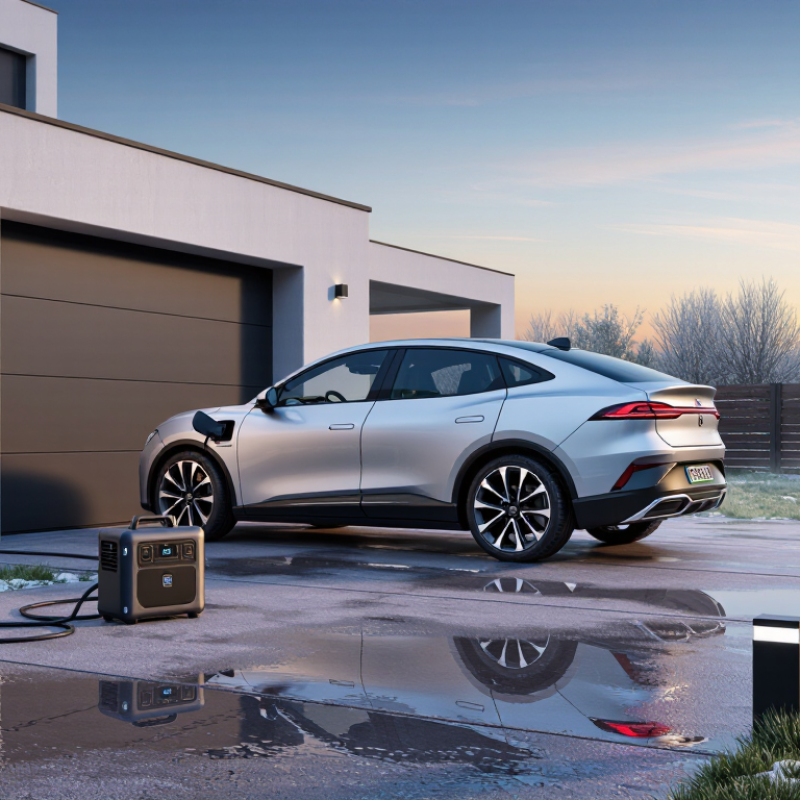
Portable chargers are compact electric-vehicle charging units you can carry in a vehicle. They connect to a suitable outlet and offer useful backup charging at home, work, or during travel. Fixed chargers, often called wall-mounted EV charging equipment, stay installed at one parking space. They usually provide steadier power, cleaner cable management, and better daily convenience.
The International Energy Agency reported more than four million public charging points worldwide at the end of 2023, with public charging additions rising by over 40% that year. Infrastructure is expanding quickly, but home charging remains important.
Portable charging is flexible, yet outlet quality matters. A weak circuit can reduce charging speed or create heat. Fixed equipment normally supports higher, more consistent output after professional installation.
However, more power is not always better. Your vehicle, electrical supply, parking time, and local safety requirements decide the practical result. I have found that many drivers overestimate portable charging because the unit looks powerful. The cable cannot solve every electrical limitation.
Tips: Check the charger’s rated current, connector compatibility, cable length, and weather protection. Ask a qualified electrician to inspect the circuit before regular use. The U.S. Department of Energy’s Alternative Fuels Data Center recommends matching charging equipment with vehicle capability and site electrical capacity. Keep portable equipment dry and avoid using damaged cables.
Fixed charging costs more upfront, but daily reliability may justify it.
Sometimes, simple wins.
Portable and fixed chargers both convert electrical energy, but they manage that energy differently. A fixed charger receives power from a wall outlet, converts alternating current into regulated direct current, and negotiates the correct voltage with the device. Its power remains available for long sessions. It suits a desk, bedside table, or workshop where charging happens in one place.
A portable charger stores energy in internal battery cells. Its circuit then raises or lowers the battery voltage before sending power to a phone or tablet. A small display may show remaining capacity, but that number is only an estimate. Conversion losses, cable quality, and temperature reduce the energy reaching the device. It is portable. That convenience matters during travel, commuting, or a power interruption.
In practical testing, I check charging speed after the battery reaches different levels. Results can change when the device warms up or shares power with another outlet. My own measurements are not perfectly repeatable, so I compare several charging cycles instead of trusting one reading. Fixed units usually handle sustained output better, while portable units trade capacity for lighter weight. Heat still matters. A charger placed under clothing or bedding cannot release heat effectively. For either type, I look for clear electrical ratings, overcurrent protection, and a casing that stays firm without unusual odor or noise.
2026 Top Portable vs Fixed Chargers: Which Is Best?
Key Differences in Power, Mobility, and Installation
Portable chargers suit drivers who need flexibility. They can move between a home outlet, workplace, or travel location. Most deliver moderate power, so charging may take several hours overnight. Their advantage is simple setup. Plug in, check the connection, and start charging.
Fixed chargers usually provide more consistent power. A dedicated circuit can support faster charging and reduce competition with household appliances. Installation may require cable routing, wall mounting, weather protection, and an inspection by a qualified electrician. The location matters. A charger beside a driveway is convenient, but a long cable path can increase cost and create trip hazards. Space matters.
Mobility comes with compromises. Portable units face more handling, dirt, moisture, and storage problems. A rugged case helps, but it cannot correct a weak outlet or damaged cable. Fixed equipment is less convenient to relocate, yet it is easier to organize for daily use. Check the charger’s rated output, connector condition, operating temperature, and electrical protection before choosing. A higher power rating does not always mean faster charging. The vehicle and home circuit may set the real limit.
For occasional charging, portability can be practical. For regular overnight charging, fixed installation often feels more dependable. I would still avoid assuming the fixed option is automatically better. Installation costs, parking changes, and future housing plans deserve honest consideration. Sometimes the less powerful choice fits real life better.
Typical AC charging output ranges show the trade-off between mobility and power. Portable chargers are easy to move and usually require no permanent installation, while fixed chargers can support higher output but need dedicated electrical work.
The ranges reflect common single-phase and three-phase AC electrical ratings. Actual charging speed depends on vehicle limits, supply voltage, circuit capacity, and local regulations.
A portable charger fits people who move between offices, trains, classrooms, and outdoor spaces. It stores energy for phones, earbuds, cameras, and some tablets. Check its output rating before buying. A large battery does not always mean fast charging. Some compact models recharge a phone twice, while heavier units support several devices. They can also add weight to a daily bag.
A fixed charger works better at a desk, bedside table, or shared workspace. It can provide steady power for laptops, monitors, tablets, and multiple accessories. A laptop usually needs higher wattage than a phone. Connecting a low-power charger may charge slowly or fail during heavy use. Count the ports carefully. A four-port charger may reduce power when several devices connect at once.
Your routine matters more than the charger’s size. Travelers may prefer a light portable unit with a clear battery indicator. Home users often benefit from one fixed unit with organized cables. I once chose capacity over weight and carried an uncomfortable battery every day. That decision was not practical. Devices also differ in charging protocols, so confirm compatibility in their manuals. Use products with recognized safety testing, intact cables, and proper heat control. Stop using any charger that becomes unusually hot, swells, or smells burnt. Small details can prevent damaged devices, although I still find cable management harder than expected.
Choosing the best charger depends on where you charge, how much power you need, and how often you travel. A fixed charger suits desks, bedrooms, and shared workspaces. It usually offers higher output and several ports without adding battery weight. A portable charger is better for trains, outdoor work, or unexpected delays. It gives freedom, but its capacity adds bulk.
Check your device’s required wattage before buying. A charger with more wattage does not force unsafe power into a compatible device. The device controls the draw when the charging system follows recognized standards. Look for USB-C Power Delivery support, overheat protection, short-circuit protection, and credible safety testing. Port count matters too. Four ports may sound useful, but charging several devices can reduce speed.
Read the real capacity of a portable charger, not only the printed number. Energy is lost during voltage conversion, so the usable output is lower. I have found that a compact model often works better than a heavy high-capacity unit for daily commuting. Still, that choice may fail during long trips. My own judgment can change after testing cable quality, charging heat, and recharge time.
A fixed charger can remain plugged in, but inspect its cable regularly. Replace damaged cables promptly. The best charger is not always the fastest one; it is the safest, most compatible option for your routine.
A portable charger suits trains, classrooms, outdoor work, and unexpected delays. A fixed charger suits desks, bedrooms, and shared workspaces.
Check the device manual for its required wattage. Laptops usually need more power than phones or earbuds.
No. Charging speed depends on compatibility, cable quality, and the device’s charging system. More power alone is not enough.
Usually, the device controls its power draw when recognized charging standards are followed. Confirm compatibility before use.
Not necessarily. Several connected devices may share power and charge more slowly. Count the ports, but check shared output details.
Choose a lighter unit for short daily trips. A high-capacity unit helps on long journeys but can feel heavy in a bag.
Energy is lost during voltage conversion. The actual output is lower than the printed capacity.
Look for overheat protection, short-circuit protection, recognized safety testing, and intact cables. Keep it cool.
Stop if it becomes unusually hot, swells, or smells burnt. Replace damaged cables promptly.
Consider your charging location, device wattage, travel frequency, and cable needs. My own choice changed after testing heat and recharge time. That matters.
Portable and fixed chargers serve different charging lifestyles. Portable chargers are compact, battery-powered devices designed for travel, commuting, and emergency use, while fixed chargers are installed or kept in a permanent location and usually connect directly to a stable power source. Portable models prioritize mobility and convenience, but their capacity and charging speed may be limited. Fixed chargers generally provide more consistent power, stronger output, and better support for regular charging routines, though they require more space and installation planning.
How to choose between portable and fixed chargers depends on your devices, daily habits, and power requirements. A portable option may be ideal for phones, tablets, and users who frequently move between locations. A fixed charger is better for desks, offices, homes, or high-demand devices that need reliable charging over long periods. In 2026, consider output power, connector compatibility, charging efficiency, safety features, durability, portability, installation needs, and overall value before making a decision.

Greenvora Charger