What Is a Networked EV Charger and Why Is It Accessible?

Time:2026-09-24 Author:Amelia
0%

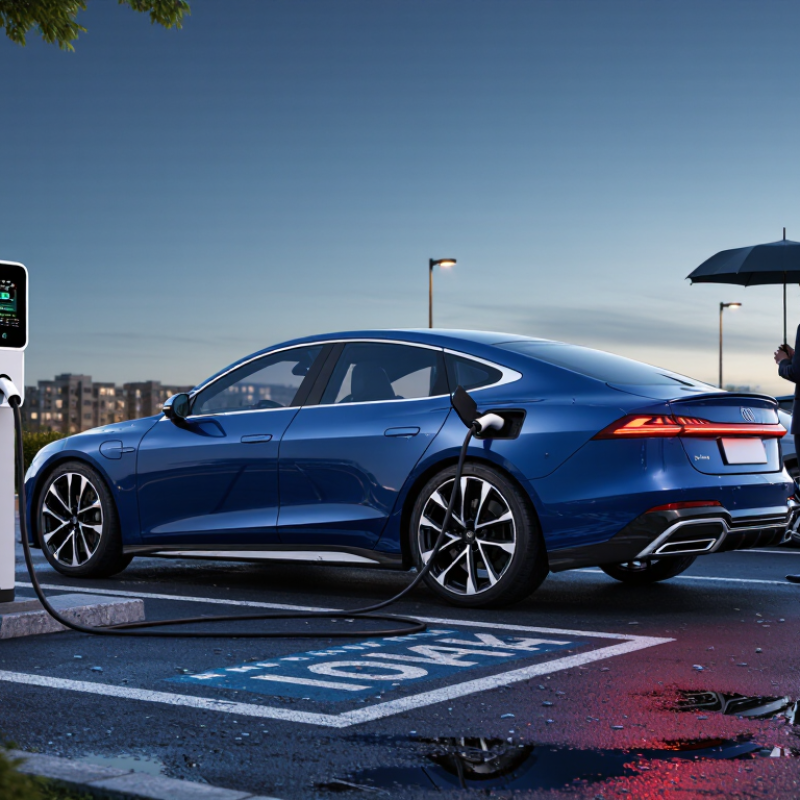
A networked EV charger is more than a socket beside a parking space. It connects to software, mobile networks, and charging platforms. That connection can show availability, confirm payment, report faults, and manage power demand. For drivers, these details matter during a rainy evening or a long trip with limited battery range.

This explains why networked EV chargers improve accessibility. Drivers can locate working chargers before arriving. They can check prices, reserve a connector, and receive charging updates remotely. Fleet managers can monitor several vehicles from one dashboard. Property owners can also identify broken equipment faster. Small improvements become important when every minute and every accessible charger count.

Chris Nelder, an energy and transportation analyst, has emphasized this need: “The charging infrastructure has to be ubiquitous.” His point reaches beyond charger numbers. A charger should be visible, understandable, usable, and dependable for different drivers. Network data can support that standard by exposing outages and reducing uncertainty. It may also help operators place chargers where demand is underserved, including apartment areas and smaller towns.

Still, networked charging is not automatically accessible. Poor app design, unreliable mobile signals, complicated payment steps, or inaccessible parking layouts can create fresh barriers. Some users may not own smartphones. Others may need clearer instructions or physical access around the vehicle. The technology helps, but it is not the whole answer. Real accessibility requires listening to drivers, testing equipment in ordinary conditions, and correcting failures openly. That work remains imperfect. It should be measured, questioned, and improved.
What Is a Networked EV Charger and Why Is It Accessible?

What a Networked EV Charger Is

A networked EV charger is an electric-vehicle charging unit connected to the internet or another communications network. That link lets it send and receive information, rather than simply deliver electricity. A driver may start a session through an app or payment terminal, while an operator can check charger status remotely. The charger can also record energy use, report faults, and support scheduled charging. In practical terms, a networked unit might show a driver whether a stall is available before they pull into a parking lot. Small details matter.

Networked chargers are part of a rapidly expanding charging system. The International Energy Agency’s Global EV Outlook 2024 reports that public charging points grew by more than 40% worldwide in 2023, while fast chargers increased by 55%. These figures describe public charging growth, not networked chargers alone, but they show why remote monitoring and reliable service are increasingly important. Network connections can help operators identify a failed connector or manage charging demand across several stalls. They do not guarantee that a charger will always work. A weak signal, software problem, or power outage can still interrupt a session. Connectivity helps, but it is not magic. The exact features depend on the charger and its software.

What Is a Networked EV Charger and Why Is It Accessible?

A networked EV charger connects to the internet, enabling features such as remote status monitoring, user authentication, and session tracking. The chart compares representative charging power levels; actual output varies by charger, vehicle, and electrical installation. Network connectivity adds access and management features, but does not determine charging speed.

How Networked EV Chargers Connect and Exchange Data

A networked EV charger does more than deliver electricity. It sends information through Wi-Fi, cellular service, or an Ethernet connection to a management platform. When a driver plugs in, the charger can report its status, power output, and session start time. The platform may verify access, record energy use, and display whether the unit is available. The exchange happens in the background. A small screen might show “charging,” while the system logs kilowatt-hours and connection quality.

That data also helps operators respond to problems. If a charger stops communicating or delivers less power than expected, remote diagnostics can point to a fault before someone visits the site.

Networked units can share limited electrical capacity, too. For example, a building may lower charging power when other equipment draws more electricity. Useful, but not magic.

A weak signal can delay updates, and a status shown in an app may be a few minutes old. Operators should limit collected data, protect account access, and explain what information a charging session creates. Drivers benefit when availability and pricing are clear, though the connection itself does not guarantee either.

Key Components and Functions of a Networked Charging System

A networked EV charger connects a vehicle, charging equipment, and an online service. The charger’s control unit manages power and records session data, such as start time and energy delivered. A communications module sends this information over a wired or wireless connection. The connection can be imperfect. Thick walls or weak mobile coverage may interrupt updates.

A network service lets drivers check charger status, start or stop a session, and review charging history through a phone or web interface. At a shared site, the same system can help an operator see which units are available and identify faults. Sensors and safety controls monitor conditions such as temperature and current; they can pause charging when a problem is detected. Payment tools may also handle session charges, depending on the site’s setup. That matters.

Accessibility comes from useful information and simpler control, not just an internet connection. A clear screen, readable instructions, and practical support options still matter at the charger. Some features may require an account, and remote access depends on network availability. A charger can be connected yet still feel difficult to use.

Why Networked EV Charging Is Accessible to More Users

A networked EV charger connects to the internet or a local management system, allowing drivers and site operators to exchange useful information. For drivers, that can mean checking charger availability before leaving home, viewing charging progress, or receiving a notice when a session ends. Less guesswork. A phone screen can show whether a charger is occupied, though the information may occasionally lag behind real conditions.

This connectivity can make charging accessible to more people by reducing practical barriers. Apartment residents, for example, may use shared chargers without walking outside repeatedly to check for an open unit. At a workplace, staff can see session status and plan around limited charging spaces. Remote support may also help diagnose a fault without requiring a driver to interpret warning lights alone. Clear instructions, readable displays, and payment options that do not require a particular phone can further include people with different needs.

Accessibility still depends on thoughtful design, not connectivity alone. A charger placed behind a curb or paired with a confusing app remains difficult to use. Network outages happen. Operators should provide visible on-site instructions and a way to report problems, while protecting personal and usage data. I have seen how one unclear screen can turn a simple task into a frustrating pause. That detail is easy to overlook.

How Users, Operators, and Utilities Benefit from Connectivity

What Is a Networked EV Charger and Why Is It Accessible?

A networked EV charger connects to the internet, sharing live information about availability, charging status, and faults. For drivers, that can mean checking a station before leaving home, rather than arriving to find every plug occupied. Clear pricing and simple payment steps also make public charging less intimidating. Small details matter: a screen that shows progress, or an app alert when charging ends, can save a cold wait in a parking lot.

For operators, connected chargers provide remote diagnostics and usage records. A technician may spot a failed connector before several drivers report it. Operators can also adjust charging schedules as demand changes, though remote data does not replace regular on-site inspections. It can be wrong, or delayed. That deserves attention.

Utilities gain a clearer view of when charging demand rises across an area. With suitable controls, they can encourage charging during quieter periods and reduce pressure on local equipment during busy hours. This can help coordinate energy use, but benefits depend on reliable communications and careful handling of customer data. Accessibility should include more than connectivity: chargers still need readable instructions, dependable payment options, and support for people who do not use smartphones.

FAQS

What does a networked EV charger do?

It delivers electricity and sends session information through Wi-Fi, cellular service, or Ethernet. The exchange happens quietly.

What information can the charger record?

It may record start time, energy delivered, power output, connection quality, and current status. Data limits still matter.

How can drivers check charger availability?

A phone or web interface may show available units before a trip. The displayed status can be several minutes old.

Can networked charging help apartment residents?

Yes. Residents can check shared chargers remotely instead of walking outside repeatedly. That saves effort, but outages remain possible.

How do operators find charging problems?

Remote diagnostics can show communication failures, low power, or equipment faults. A technician may still need to visit.

Can a networked charger adjust its power?

It can reduce charging power when a building uses more electricity. Useful, but not magic.

What happens when the internet connection fails?

Status updates may stop or arrive late. Some local charging functions may continue, depending on the equipment.

How should charging systems support accessibility?

They should provide readable screens, clear instructions, practical support, and payment choices that do not require one specific phone. Connectivity alone is not enough.

What privacy practices should operators follow?

Operators should collect limited data, protect account access, and explain what each charging session creates. Clear explanations build trust.

Why can a connected charger still feel difficult to use?

A confusing app, blocked curb, unclear screen, or missing help option can create frustration. I might overlook that small detail. The driver will not.

Conclusion

A networked EV charger is an electric vehicle charging unit connected to the internet or a shared communication network. It can exchange information with drivers, charging operators, energy providers, and other system components in real time. Through software, sensors, user accounts, and secure data connections, the system can manage charging sessions, display availability, process payments, monitor equipment status, and deliver updates or support remotely. These connected functions make charging more organized and easier to manage than a standalone charger.

Why networked EV chargers improve accessibility is closely related to their ability to provide clear information and flexible access. Users can locate available chargers, check operating conditions, schedule charging, and receive session details through digital tools. Operators can maintain equipment more efficiently, while utilities can better coordinate electricity demand and encourage charging during suitable periods. By connecting people, chargers, and energy systems, networked charging can serve a wider range of users and support a more convenient, reliable, and adaptable EV charging experience.

Amelia

Amelia

Amelia is a seasoned marketing professional with a wealth of expertise in our company’s core offerings. With an unwavering passion for driving growth and innovation, she plays a pivotal role in shaping our marketing strategies and enhancing brand visibility. A key aspect of her responsibilities......