The rise of electric vehicles (EVs) demands effective infrastructure. As of 2023, global EV sales topped 10 million, highlighting an urgent need for sufficient charging stations. However, many existing stations face operational inefficiencies. Here is where IoT technology steps in.
How IoT improves monitoring of EV charging stations is a critical consideration for enhancing performance and user experience. IoT devices collect real-time data on charging patterns and station usage. According to a recent industry report, this data can increase operational efficiency by 30%. Yet, the integration of IoT is not flawless. Interoperability and data security must be continually addressed to gain user trust and ensure system reliability.
Furthermore, as the demand for EV charging grows, monitoring systems may become overwhelmed. Effective solutions incorporating IoT are essential to prevent bottlenecks. While the potential for improvement is profound, organizations must approach these advances with cautious optimism. Continuous evaluation and adaptation are necessary to make the most of IoT in revolutionizing EV charging station monitoring.
The Role of IoT in Monitoring Electric Vehicle Charging Stations
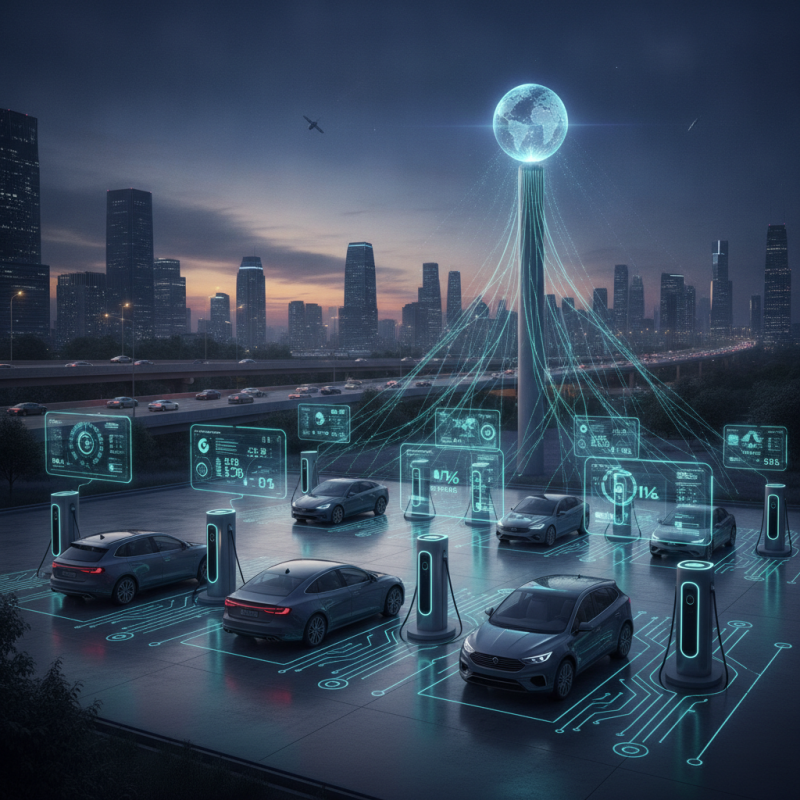
The rise of IoT technology significantly transforms the monitoring of electric vehicle (EV) charging stations. By leveraging connected devices, operators can collect real-time data on station performance. This information includes usage patterns, energy consumption, and maintenance needs. Such insights enable proactive management, ensuring stations operate efficiently and meet user demands.
IoT systems allow for remote diagnostics and troubleshooting. This capability helps reduce downtime and enhances the overall user experience. However, the implementation of these systems may face challenges. Data security is a concern. Protecting user information is critical. Additionally, not all charging stations are equipped with the latest technology, limiting the benefits of IoT integration.
Real-time monitoring through IoT can lead to smarter infrastructure decisions. Still, many locations lack adequate internet connectivity. This limitation can hinder total effectiveness. Continuous improvements and updates in technology are essential. The more robust the data collection, the better the decision-making. ET technologies are paving a path for a smarter, more connected charging network. The future relies on addressing current gaps for optimal performance.
Global Growth of Electric Vehicles and Demand for Smart Charging Solutions
The electric vehicle (EV) market is witnessing rapid growth. According to the International Energy Agency (IEA), global EV sales surged to 6.6 million units in 2021, reflecting a 108% increase from the previous year. As more consumers switch to EVs, there is a rising demand for efficient and intelligent charging solutions. This trend fuels the integration of Internet of Things (IoT) technologies in EV charging stations.
IoT enhances EV charging stations by providing real-time monitoring and management of charging processes. Sensors track various elements such as energy consumption, station availability, and user behavior. In 2022, it was estimated that over 10% of global EV chargers were IoT-enabled, promoting better energy management and customer experiences. However, challenges remain. Not all regions have the necessary infrastructure to support widespread IoT implementation. Additionally, data privacy concerns may hinder adoption, as users need assurance that their information is secure.
Despite these challenges, the potential is significant. Smart charging solutions can optimize energy usage during peak and off-peak hours. This leads to cost savings for both providers and users. As cities expand their EV infrastructure, the importance of IoT will only grow. Response to user needs will dictate future development. The road ahead is promising, but stakeholders must remain vigilant to address underlying issues within this evolving landscape.
Key IoT Technologies Enhancing Charging Station Monitoring Efficiency
The integration of IoT technologies into electric vehicle (EV) charging stations is transforming their monitoring capabilities. Real-time data collection enhances operations. According to a report by Gartner, up to 80% of EV charging stations will implement IoT technologies by 2025. These systems allow for immediate feedback on charger status, energy consumption, and user accessibility.
One key technology is predictive analytics. It uses historical data to forecast peak usage times. This helps in optimizing energy distribution, thus reducing costs. A study found that IoT-driven analytics can cut operational expenses by approximately 20%. Such savings provide room for investments in infrastructure improvements.
Additionally, IoT devices monitor charger health. They detect issues before they escalate. As a result, preventive maintenance is more efficient. However, the challenge lies in data security. Protecting user information and device integrity requires continuous updates. Stakeholders must address these vulnerabilities. Balancing innovation and security remains a work-in-progress. Insights from industry reports highlight the importance of robust cybersecurity measures as adoption rates soar.
How IoT Enhances EV Charging Station Monitoring Globally? - Key IoT Technologies Enhancing Charging Station Monitoring Efficiency
| Dimension |
Data/Value |
| Total Charging Stations |
1,500,000 |
| Smart Charging Stations (% of total) |
35% |
| IoT Connectivity Technologies |
LoRaWAN, NB-IoT, Cellular, Wi-Fi |
| Average Charging Time (hours) |
1.5 |
| Data Collected Per Station (GB/month) |
20 |
| Average Uptime (% per year) |
98% |
| User Authentication Methods |
RFID, Mobile App, Contactless Payment |
| Predictive Maintenance Alerts (% of stations) |
70% |
| User Ratings (out of 5) |
4.3 |
Data Analytics in IoT: Optimizing Charging Station Performance Globally
The integration of IoT in electric vehicle (EV) charging stations is revolutionizing performance monitoring. Data analytics is at the forefront of this transformation, allowing for smarter, more efficient operations. By collecting real-time data, operators can identify usage patterns, peak times, and potential issues. This insight plays a crucial role in enhancing overall charging station performance.
One key aspect is predictive maintenance. By analyzing data trends, operators can foresee potential failures. This proactive approach reduces downtime and enhances service reliability. However, it's important to remain aware of data privacy concerns. Collecting user data must align with regulations. Finding the right balance between analytics and user privacy is a challenge for many operators.
Tip: Regularly review data analytics strategies. Adjust them based on performance data.
Another area to consider is the user experience. Insights gained from data can help design more user-friendly interfaces. This can lead to higher satisfaction and usage rates. Yet, be cautious of overcomplicating the interface with excessive data displays.
Tip: Gather user feedback frequently. Use it to refine the charging experience.
Ultimately, while IoT enhances EV charging station performance, continuous evaluation and user consideration remain vital for success. Embracing imperfection in systems can help identify areas for improvement. In this rapidly changing landscape, adaptability and innovation are key.
Case Studies: Successful IoT Implementations in EV Charging Networks
The integration of IoT in electric vehicle (EV) charging stations is expanding rapidly worldwide. Several case studies highlight the success of IoT implementations in this sector. For instance, one project in a major urban area utilized real-time data from charging stations. This data provided insights into usage patterns, leading to improved station placement and reduced wait times for users.
Monitoring tools enabled operators to perform proactive maintenance, thus avoiding unnecessary downtime.
Another case involved a regional network that used IoT sensors to track energy consumption. The network achieved significant savings on operational costs by analyzing usage data and optimizing energy distribution. Operators gained insights into peak usage times, allowing for better energy forecasting. This kind of data-driven decision-making is crucial in a rapidly evolving landscape.
Tips: Consider the scalability of IoT solutions. Large networks may need different strategies than smaller setups. Be prepared to adapt. Always evaluate the technology's effectiveness. Continuous improvement will enhance performance and user experience. Engaging with real-time data can make a significant difference in operational efficiency.
FAQS
: IoT helps monitor performance, allowing real-time data collection on usage and maintenance needs.
It enables remote diagnostics and troubleshooting, which reduce downtime and enhance overall user satisfaction.
Data security concerns exist, and not all stations have the latest technology for full integration.
It allows for smarter infrastructure decisions, optimizing operations based on current data.
In 2021, EV sales reached 6.6 million units, showing a significant increase from the previous year.
IoT systems track energy usage and station availability, optimizing charging during peak hours.
Over 10% of chargers were IoT-enabled, aiding in better energy management and user experience.
It forecasts peak usage times, helping optimize energy distribution and reduce operational costs.
Many regions lack the necessary infrastructure, hindering the implementation of IoT technologies.
Continuous updates are needed to protect user data and device integrity as adoption rates increase.
Conclusion
The integration of IoT technologies is revolutionizing the monitoring of electric vehicle (EV) charging stations globally. By leveraging smart solutions, the efficiency and reliability of these stations are significantly enhanced. How IoT improves monitoring of EV charging stations can be seen through its various applications, such as real-time data collection, predictive maintenance, and remote diagnostics. This not only optimizes performance but also addresses the growing demand for electric vehicles and intelligent charging systems.
As the EV market expands, the need for sophisticated charging infrastructure emerges, making IoT an essential element. Key technologies, including sensors and data analytics, enable operators to track performance and usage patterns, leading to better management and improved user experience. Case studies of successful IoT implementation in EV charging networks further illustrate the positive impact of these technologies on station operations and overall service delivery, positioning them as vital components in the future of sustainable transportation.

 Greenvora Charger