Choosing the right DC EV charger for your home can feel overwhelming. With numerous options available, making an informed decision is crucial. According to Dr. Emily Mercer, an expert in electric vehicle infrastructure, "Selecting the right DC charger not only enhances convenience but can also save time and energy."
Understanding your charging needs is essential. Consider factors like your EV model, charging speed, and power requirements. Each EV has different specifications. You may need to adjust your choice based on what works best for your situation. It's also worth reflecting on your home’s electrical capacity. An incompatible charger can lead to safety issues.
Additionally, explore the features that different chargers offer. Some may have smart capabilities, while others can be more basic. Balance your budget with the features you need. Remember, this is an investment in your future mobility. How to choose the right DC EV charger for home involves careful consideration and research to avoid potential pitfalls. Ensure that you gather information from reliable sources to make the best choice.
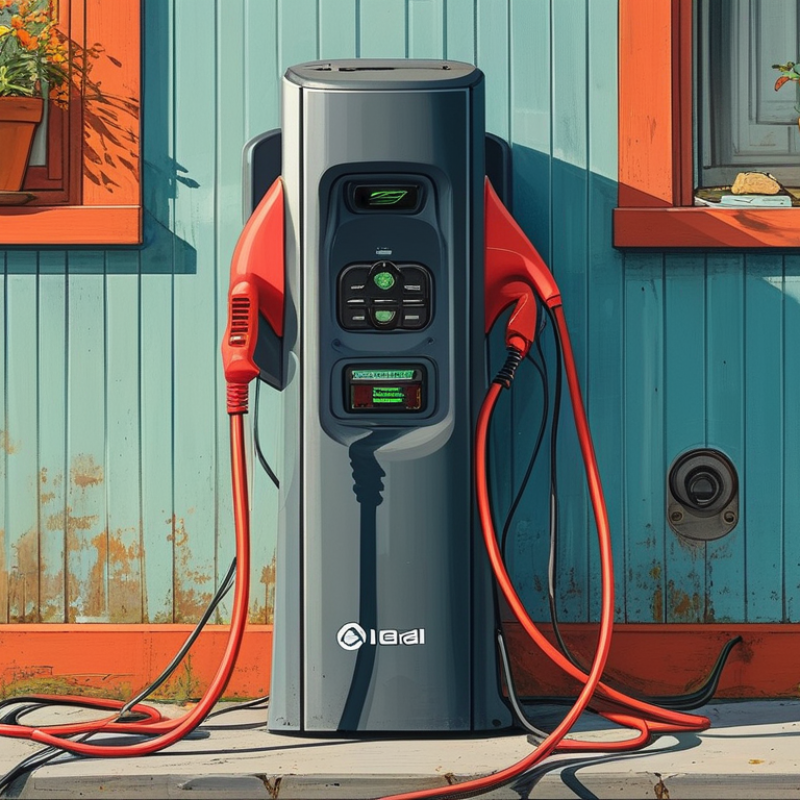
When choosing a DC EV charger for home use, understanding their basics is crucial. DC fast chargers offer significant advantages over traditional AC chargers. They provide rapid charging times that can decrease downtime for electric vehicle owners. According to the U.S. Department of Energy, a DC fast charger can charge a vehicle up to 80% in just 30 minutes. This feature is particularly beneficial for users with limited time.
The technology behind DC chargers uses high voltage and direct current to efficiently transfer energy. This can result in higher conversion rates and lower energy losses compared to AC chargers. A report from the International Energy Agency notes that fast-charging infrastructure is essential for mass EV adoption. Despite their advantages, DC chargers can come with higher installation costs and require a robust electrical system. Users should reflect on these factors when making their choice.
Furthermore, while DC chargers are powerful, not all EVs are compatible with them. Some vehicles may only support AC charging. Understanding your vehicle's specific requirements is essential before investing. The decision should consider both the cost and the charging speed needed. This nuanced analysis ensures that users make informed choices that break away from the one-size-fits-all mentality.
Understanding the basics of DC EV chargers and their advantages can help you make an informed decision. Below is a chart illustrating the important features of various EV chargers and their charging speeds.
When considering a DC EV charger for your home, it’s crucial to evaluate your electrical system first. Understanding your home’s electrical capacity will ensure a safe and efficient charging experience. Check your electrical panel. It should accommodate the additional load from the charger. Old homes may require an upgrade to support modern chargers.
Examine the amperage of your current setup. A typical home may have a 100-200 amp service. Higher amperage allows for faster charging but might necessitate professional adjustments. Pay attention to the existing wiring as well. Older wires may not handle the power needed for a high-capacity charger.
**Tip: Consult a licensed electrician.** They can assess your system’s compatibility and recommend necessary updates or repairs.
Don’t forget about your breaker. A dedicated circuit for your EV charger is often advised. This setup reduces overload risks and enhances safety. If your breaker trips often, delayed charging can become a headache.
**Tip: Monitor your charging habits.** Not all chargers offer the same speed. Know which ones can deliver the best performance for your specific needs.
When choosing a home DC EV charger, several key features deserve your attention. One crucial aspect is charging speed. Look for a charger that provides high power output. A charger with at least 24 kW can significantly reduce charging time compared to standard options. Quick charging saves you time, especially during busy days.
Safety features are equally important. Ensure that the charger has built-in protection against overcharging and short circuits. These safeguards help prevent damage to your vehicle and the charger itself. Additionally, check for compatibility with various EV models. Not all chargers work with every electric vehicle, so it’s essential to verify this aspect.
Another factor to consider is ease of installation. Some chargers are complex and require professional setup. A user-friendly design can simplify the process. Finally, consider the durability and weather resistance of the charger. A well-built unit can withstand various environmental conditions. Reflect on these elements as you make your choice for a home charging solution.
When choosing a DC EV charger for your home, it's essential to compare various brands and models. Each offers unique features that cater to different needs. Look for chargers that have adjustable power levels. This flexibility allows you to select the charging speed that best suits your vehicle and home power supply. Consider the installation process as well. Some models are easier to set up than others. If you're not handy, a complicated installation could be a hurdle.
Safety features are also crucial. Ensure that the charger has multiple protection measures. Look for surge protection, overheating safeguards, and proper certification marks. These aspects enhance reliability and longevity. Evaluating customer reviews can provide insight into each charger’s performance. Users often share their experiences, highlighting practical issues and advantages.
Finally, think about the future. EV technology is evolving rapidly. A charger with advanced capabilities can accommodate new vehicles and updates. It’s wise to ponder how your needs may shift. Investing in a charger that may feel advanced today could pay off later as your EV evolves and as technology advances.
When choosing a DC EV charger, installation is crucial. Proper installation ensures optimal performance and safety. It’s important to evaluate your home’s electrical system. This includes checking the amperage and availability of dedicated circuits. Improper installations can lead to hazards like overheating or damaging equipment. Homeowners often underestimate these considerations.
Seeking professional help can make a significant difference. Electricians familiar with EV chargers understand local codes and best practices. They can assess your home and recommend the right charger. An installation by a trained professional ensures you comply with safety standards. This takes away the guesswork. Also, it can prevent future issues that could arise from DIY attempts.
Many homeowners find the installation process daunting. They may feel confident but might not have the right tools or knowledge. Hiring an expert is a sound investment. It provides peace of mind knowing everything is done correctly. Even minor mistakes can lead to costly repairs later. Reflecting on your choices is essential before making a decision.
| Feature | Description | Considerations |
|---|---|---|
| Charging Speed | DC chargers provide faster charging times, reducing inconvenience. | Consider your vehicle's compatibility and daily driving needs. |
| Power Requirements | DC chargers may require specific electrical setups and outlets. | Evaluate your home’s electrical capacity and upgrade if needed. |
| Location | Charger should be installed in an accessible area for convenience. | Look for a sheltered spot to protect from weather elements. |
| Safety Features | Includes features like surge protection, overcurrent protection, etc. | Ensure charger meets local safety standards and regulations. |
| Installation | Proper installation by a certified professional is crucial. | Consider hiring a licensed electrician for safe installation. |
: DC fast chargers charge vehicles rapidly, reaching 80% in about 30 minutes. This reduces downtime significantly.
DC chargers use high voltage and direct current. This leads to higher energy transfer and lower losses compared to AC.
No, not all EVs support DC charging. Some vehicles only work with AC chargers, so check your vehicle’s requirements.
Proper installation ensures safety and optimal performance. Electricians know local codes and can prevent hazards.
Yes, DIY attempts may result in overheating or equipment damage. Improper installations can be costly to fix later.
Homeowners need to check electrical system amperage and dedicated circuits. These details are crucial for safe use.
Experts ensure compliance with safety standards. Their knowledge prevents future issues that DIY attempts might cause.
Users should consider installation costs, vehicle compatibility, and the charging speed they require before making a decision.
When considering how to choose the right DC EV charger for home use, it's essential to start by understanding the basics of DC EV chargers and their advantages. These chargers provide faster charging times compared to traditional AC chargers, making them a popular choice for electric vehicle owners. Evaluating your home's electrical system for compatibility is a crucial step, as it ensures your existing infrastructure can support the charger's requirements.
Additionally, key features such as charging speed, safety certifications, and user-friendly interfaces should be prioritized when selecting a charger. Comparing different brands and models can help identify the best options suited for your needs. Lastly, installation considerations should not be overlooked, and seeking professional help can simplify the process and ensure everything operates safely and efficiently. By following these guidelines, you can confidently choose the right DC EV charger for your home.

Greenvora Charger